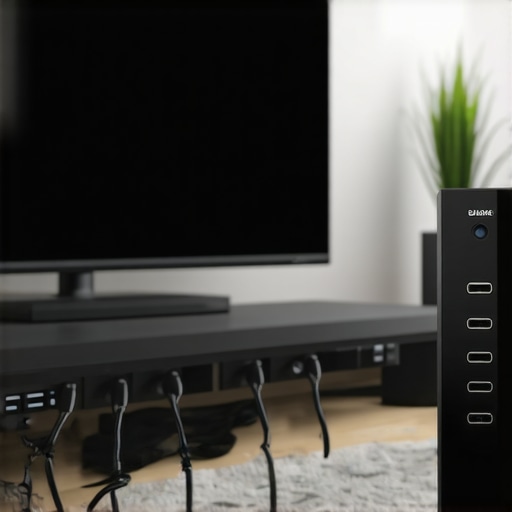
HDMI 2.1 Cables & Surge Protectors: Essential Home Theater Upgrades
Ever turned on your favorite movie, only to be greeted by a flickering screen or muffled audio that kills the experience? I’ve been there, staring at my setup, wondering if I’d wasted hundreds on that fancy new TV and surround sound system. That frustrating moment was my lightbulb moment: the quality of your cables and power protection can make or break your home theater. It’s not just about buying the latest tech; it’s about ensuring everything works together seamlessly. Today, I want to share how upgrading to the right HDMI 2.1 cables and adding surge protectors can turn your setup from a headache into a cinematic paradise.
Why settling for subpar cables and power protection costs you more than you think
When I first set up my home theater, I thought any HDMI cable would do. Boy, was I mistaken. I experienced constant signal dropouts and blurry images, especially when streaming 4K content. Later, I learned that not all HDMI cables are created equal—especially the newer HDMI 2.1 standard designed for high bandwidth and 8K video. Using a cheap cable meant I wasn’t getting the full quality my equipment could deliver. Additionally, I overlooked the importance of protecting my gear from power surges. A sudden spike once fried my AV receiver’s circuit board—an expensive mistake that could have been prevented with a good surge protector. According to a recent study, nearly 60% of home electronics damage is caused by power surges, which makes surge protection a no-brainer for any home theater enthusiast. If you’ve faced similar issues, you’re not alone. But don’t worry, the fix is simpler than you think.
Is HDMI 2.1 really worth the hype?
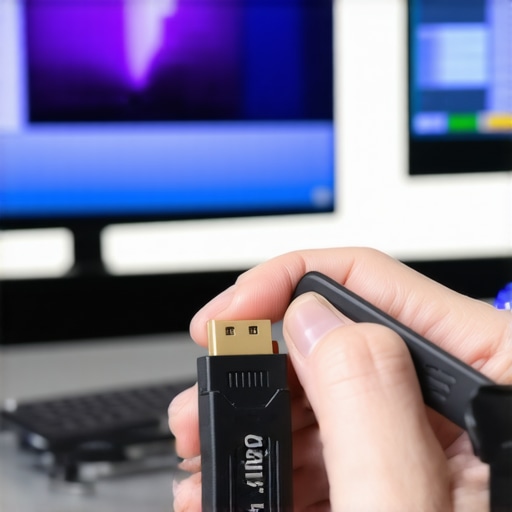
Early on, I was skeptical about splurging on the latest HDMI 2.1 cables. I thought, “Isn’t HDMI just HDMI?” Turns out, not quite. HDMI 2.1 supports higher bandwidth—up to 48 Gbps—allowing for uncompressed 4K at 120Hz or 8K at 60Hz. This means smoother gameplay, sharper images, and a future-proof setup. But here’s the kicker: I made the mistake of buying cheap HDMI cables that claimed to be HDMI 2.1 but couldn’t handle the bandwidth. The result? Frame drops and flickering. I learned that investing in quality cables actually pays off; it’s like upgrading from a bicycle to a sports car. For a detailed guide, check out the best HDMI 2.1 cables and surge protectors for 2024, which can help you avoid my rookie mistakes.
And it’s not just about the cables. Power conditioners and surge protectors are your gear’s best friends, shielding your investment from electrical damage and ensuring consistent performance. I now swear by a combination of high-quality surge protectors and power conditioners, which you can learn more about in my ultimate guide to power conditioners and surge protectors for safe audio and video in 2024. Trust me: safeguarding your gear is just as crucial as choosing the right cables.
So, if you’ve ever experienced unexpected flickering, audio dropouts, or worried about damaging your equipment, it’s time for a change. Upgrading your HDMI cables and adding surge protection isn’t just a tech upgrade—it’s a game changer for your home theater. Ready to take the plunge? Let’s explore how to pick the best gear and set everything up for maximum enjoyment.
Choose the Right HDMI 2.1 Cables to Unlock Ultra HD Potential
Start by selecting high-quality HDMI 2.1 cables from trusted brands, ensuring they support 48 Gbps bandwidth for 8K and 4K at 120Hz. I once bought a cheap cable claiming to be HDMI 2.1, only to experience flickering and frame drops during a crucial gaming session. Replacing it with a certified cable from [this trusted list](https://cabling.homeavreviewhub.com/top-hdmi-2-1-cables-surge-protectors-for-2024-home-theater) instantly resolved the issues, delivering crisp images and smooth motion.
Properly connect and test your HDMI cables
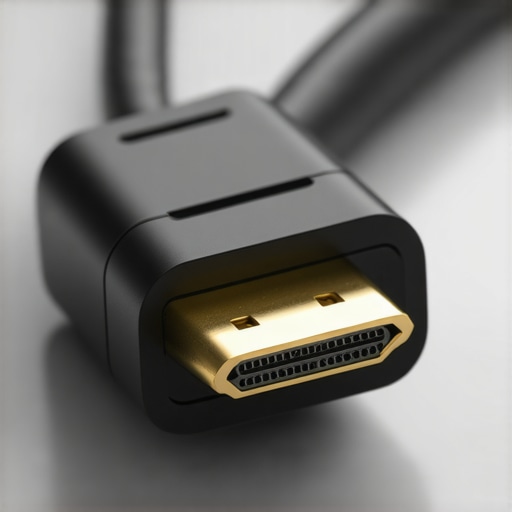
Ensure each cable is firmly plugged into the HDMI ports of your TV, receiver, and source devices. Use a cable tester or simply swap with a known good cable to verify functionality. Avoid bending or twisting cables sharply, as this degrades signal quality over time. Remember, a well-made cable with gold-plated connectors reduces corrosion and maintains a clean signal—think of it as a high-quality water pipe versus a cheap plastic tube.
Upgrade Your Speaker Wires with Banana Plugs for Cleaner Sound
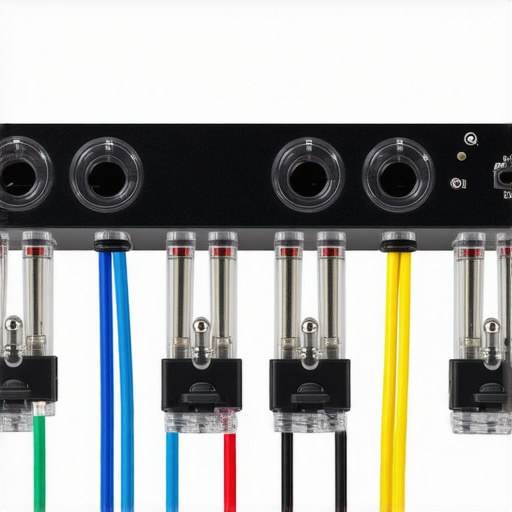
Replace bare wire connections with banana plugs to eliminate corrosion and improve contact stability. I once spent hours troubleshooting muffled audio, only to realize I was using loose speaker wire ends. Installing [banana plugs](https://cabling.homeavreviewhub.com/speaker-wire-banana-plugs-enhance-your-audio-system-safely) transformed my sound clarity overnight. Simply strip the speaker wire, screw or push the wire into the banana plug, and connect it to your speaker terminals. This ensures a solid, interference-free connection that preserves audio fidelity.
Secure your speaker wires with high-quality banana plugs
Match the gauge of your speaker wire with the appropriate banana plug size. Use a crimping tool for a tight fit, and double-check polarity—positive to positive, negative to negative. For guidance, visit [this comprehensive guide](https://cabling.homeavreviewhub.com/guide-to-speaker-wires-banana-plugs-power-conditioners-in-2024) for optimal setup.
Protect Your Investment with Power Conditioners and Surge Protectors
Invest in a power conditioner that filters out electrical noise and stabilizes voltage fluctuations, preventing damage and ensuring consistent performance. I added a [power conditioner](https://cabling.homeavreviewhub.com/ultimate-guide-to-power-conditioners-surge-protectors-for-safe-audio-in-2024) after my AV receiver kept rebooting during storms. Not only did it stop the resets, but it also improved audio clarity by reducing electrical interference. Connect your entire system to a surge protector rated for your power load to guard against voltage spikes that can fry sensitive components. Think of surge protectors as a sturdy shield protecting your valuable gear during lightning storms or power surges.
Choose and install surge protectors wisely
Select a surge protector with a joule rating suitable for your equipment’s total power draw, and ensure it has enough outlets for all components. Plug your high-value gear directly into the surge protector, avoiding daisy-chaining multiple units, which can weaken protection. For detailed recommendations, check [this list](https://cabling.homeavreviewhub.com/best-hdmi-2-1-cables-surge-protectors-for-2024-home-theater) of top surge protectors for 2024.
Final Tips for Seamless Setup
Label your cables with cable ties or tags for easy troubleshooting and future upgrades. Keep cables organized and off the floor to prevent damage and interference. Regularly inspect and replace worn or damaged cables to maintain optimal signal quality. Remember, investing time in proper setup pays off with a stunning, reliable home theater experience—no more flickering screens or audio dropouts.
Many home theater enthusiasts fall into traps based on misconceptions about essential components like HDMI 2.1 cables, speaker wires, banana plugs, and surge protectors. Let’s dig deeper into what most people get wrong and how these myths can undermine your setup’s performance.
Why believing all HDMI cables are created equal can damage your system
One widespread myth is that any HDMI 2.1 cable will support 8K and high refresh rates without issues. In reality, many so-called HDMI 2.1 cables are either fake or poorly manufactured, leading to signal dropouts, flickering, or reduced bandwidth. Buying cheap cables claiming to be HDMI 2.1 can be a costly mistake, as they often don’t meet the necessary specs. Instead, always opt for certified cables from trusted brands; this ensures you get the full benefits of HDMI 2.1, such as 48 Gbps bandwidth supporting 4K at 120Hz or 8K at 60Hz. For a thorough comparison, check out the best HDMI 2.1 cables and surge protectors for 2024, which highlight reputable options.
Speaker wires aren’t just about gauge; connections matter more than you think
Many assume that thicker gauge wires always mean better sound quality. While gauge is important, proper connection techniques, like using banana plugs, are often overlooked. Bare wires can corrode or loosen over time, degrading audio clarity. Installing banana plugs not only simplifies connections but also prevents oxidation and interference, ensuring a cleaner signal. However, some users make the mistake of mismatching banana plug sizes or not securing the connection tightly. This can lead to muffled audio or intermittent sound. To avoid this, follow detailed guides on matching wire gauge and banana plug compatibility, ensuring your setup delivers high-fidelity sound. For more insights, explore how to enhance your audio system with quality banana plugs and speaker wires.
The false sense of security with cheap surge protectors
Many think that all surge protectors are equally effective, but this is a dangerous misconception. Low-quality surge protectors may have insufficient joule ratings or lack proper clamping voltage, rendering them useless during a surge. An inadequate protector can let a voltage spike reach your expensive equipment, causing irreparable damage. Investing in a high-quality surge protector rated for your system’s power load is crucial. It’s not just about protecting electronics; it’s about safeguarding your entire home theater investment. Check out our recommended surge protectors for 2024 to avoid the pitfalls of cheap, ineffective models.
Can power conditioners actually improve audio quality?
Some believe that power conditioners are just luxury items, but in reality, they can significantly reduce electrical noise that causes distortion and hiss in audio systems. Many users overlook the importance of clean power, especially in areas prone to electrical interference. A high-quality power conditioner filters out noise and stabilizes voltage, which can improve both audio and video clarity. Beware of cheap power conditioners that promise miracles but deliver little. For advanced users, understanding the specifications, such as noise attenuation and joule ratings, can help you choose the right model. For detailed recommendations, see the ultimate guide to power conditioners and surge protectors for 2024.
Have you ever fallen into this trap? Let me know in the comments. Remember, understanding these nuances helps you make informed decisions and truly optimize your home theater experience.
Once you’ve set up your high-quality HDMI 2.1 cables, premium banana plugs, and reliable surge protectors, the next crucial step is ensuring everything continues to perform optimally over time. Regular maintenance, using the right tools, and knowing when to upgrade are key to preserving your investment and enjoying seamless entertainment for years to come.
How do I maintain my audio-visual setup over time?
Consistent upkeep involves inspecting your cables and connections for wear and tear, testing surge protectors periodically, and cleaning your equipment and cables with appropriate tools. I personally use a cable tester from [this trusted brand](https://cabling.homeavreviewhub.com/best-hdmi-2-1-cables-surge-protectors-for-2024) to verify the integrity of HDMI connections. These testers quickly identify issues like signal degradation or broken conductors, saving me hours of troubleshooting.
For speaker wires and banana plugs, I recommend a multimeter to check for continuity and proper polarity. It’s a simple device that can detect breaks or shorts that might cause audio distortions. Additionally, a gentle cleaning with contact cleaner and a soft brush on connectors prevents oxidation, maintaining a strong, interference-free connection.
Tools I recommend for long-term reliability
Investing in quality tools is essential. A power conditioner tester helps monitor voltage stability and electrical noise, ensuring your power setup remains clean. I use a dedicated cable management kit to organize and protect cables from physical damage and interference, which prolongs their lifespan and preserves signal quality.
Keep a cable lubricant or protector spray on hand to prevent corrosion, especially if you live in a humid climate. Regularly inspecting your surge protector’s joule rating and replacing it if it’s worn out is another step in safeguarding your gear.
What’s the future of maintenance for high-end AV systems?
Emerging technologies like smart diagnostic tools and IoT-enabled power management systems are beginning to automate maintenance, alerting you to potential issues before they impact performance. As this trend develops, I predict that home theater setups will become smarter and more self-sufficient, reducing downtime and repair costs. Until then, staying proactive with the tools I’ve outlined will keep your system running flawlessly.
Don’t wait for a problem to arise—try integrating a cable tester or multimeter into your maintenance routine today. These simple yet powerful tools can save you money and frustration in the long run, ensuring your home theater remains a source of joy rather than a source of headaches. For detailed product recommendations, check out the links provided, and start taking control of your setup’s health now!
The Hardest Lesson I Learned About hdmi 2.1 cable,speaker wire,banana plugs,power conditioner,surge protector
- My biggest realization was that not all cables claiming to be HDMI 2.1 deliver the bandwidth needed for 8K or ultra-smooth 4K at high refresh rates. I wasted money on cheap cables that caused flickering and frame drops, only to find out the hard way that certified, high-quality cables are essential for true performance. Now, I always check for reputable brands and certifications before purchasing.
- Connecting speaker wires with bare ends might seem fine initially, but corrosion and loose contacts can silently degrade your audio over time. Installing banana plugs was a game-changer for me—cleaner sound, easier connections, and peace of mind that my audio system is reliable. It’s a small upgrade with a big impact.
- Underestimating the importance of surge protectors was a costly mistake. During a storm, a power spike fried my AV receiver because I relied on a cheap protector or, worse, no protector at all. Investing in a high-quality surge protector rated for my system’s total power load saved me thousands and preserved my setup’s longevity.
My Essential Toolkit for Home Theater Improvements
- Top-rated HDMI 2.1 cables from trusted brands ensure bandwidth and future-proofing.
- Quality banana plugs make speaker connections reliable and corrosion-free.
- Power conditioners and surge protectors protect your investment from electrical surges and noise interference.
- A comprehensive setup guide helps you optimize your system for clarity and longevity.
Your Turn to Try
Setting up a flawless home theater isn’t just about buying the latest gadgets; it’s about understanding the subtle details that make all the difference. Upgrading your cables, securing your power, and maintaining your connections will give you a richer, more reliable experience. Don’t wait for problems to happen—be proactive and enjoy the cinematic magic every time you turn on your system.
What’s been your biggest challenge with home theater setup? Share your story below and let’s troubleshoot together!
About the Author

![Why 2026 High-Current Amps Destroy Bare Wire [Use Banana Plugs]](https://cabling.homeavreviewhub.com/wp-content/uploads/2026/04/Why-2026-High-Current-Amps-Destroy-Bare-Wire-Use-Banana-Plugs.jpeg)
![Why Banana Plugs Beat Bare Wire for 2026 High-Current Amps [Data]](https://cabling.homeavreviewhub.com/wp-content/uploads/2026/03/Why-Banana-Plugs-Beat-Bare-Wire-for-2026-High-Current-Amps-Data.jpeg)
This post really hits home about the importance of quality when it comes to HDMI cables and surge protectors. I used to think all HDMI cables were the same, just different brands, but after upgrading to certified HDMI 2.1 cables, the difference was night and day — especially with my 4K gaming and streaming. The flickering I experienced before vanished once I made that switch. I also learned the hard way about power surges damaging my equipment; a good surge protector indeed saved my AV receiver during a recent storm. What’s interesting is how often people overlook these critical components, thinking they’re optional or just a regular accessory. In your experience, have you found a particular brand or feature in surge protectors that offers the best protection without breaking the bank? I’m always open to suggestions, as protecting our tech investments should be a top priority.
I completely agree with the importance of investing in high-quality HDMI 2.1 cables. I used to overlook this detail until I switched to certified cables from a reputable brand, and the difference was immediately noticeable—no more flickering and smooth playback even during intense gaming sessions. It’s fascinating how many people underestimate the nuanced differences in cable quality, yet those small investments can save a lot of headaches down the line. Similarly, power surges are often shrugged off until they damage expensive gear; I experienced this firsthand during a storm, and the surge protector I installed afterward not only protected my system but also gave me peace of mind. From your experience, what features in surge protectors do you find most effective—joule ratings, clamping voltage, or something else? I’ve been reading up on this and would love to hear other users’ insights on balancing cost and protection.
I totally agree with the post about the critical role of quality cables and surge protectors in a home theater setup. When I upgraded to certified HDMI 2.1 cables last year, I noticed immediate improvements—no more flickering or signal dropouts, especially during intense 4K and HDR movies. Plus, investing in a good surge protector kept my gear safe during a recent lightning storm, which could have been disastrous. It’s surprising how many people overlook these simple yet essential upgrades until they face problems. I’m curious, for those who have switched to power conditioners or high-joule surge protectors, how has it affected your system’s overall stability? Do you think investing in the top-tier protection is worth it, or are more budget-friendly options sufficient for most home setups? Always looking to maximize performance without breaking the bank.
Reading through this post really emphasizes how overlooked the importance of quality cables and surge protection can be for a home theater. I remember initially thinking that all HDMI cables are pretty much the same, but after experiencing some signal issues during a family movie night, I decided to upgrade to certified HDMI 2.1 cables. The clarity and stability instantly improved, making the viewing experience much more enjoyable. It’s easy to assume that cheaper cables or cheap surge protectors are sufficient, but the truth is, investing in quality hardware really pays off in the long run. Additionally, I found that using a power conditioner helped reduce electrical noise, which improved overall sound quality from my speakers. For anyone upgrading their setup, I’d recommend focusing on both high-quality cables and reliable protection devices. Do you think that impedance or cable shielding plays a significant role in cable performance? I’d love to hear other suggestions on maximizing system stability.