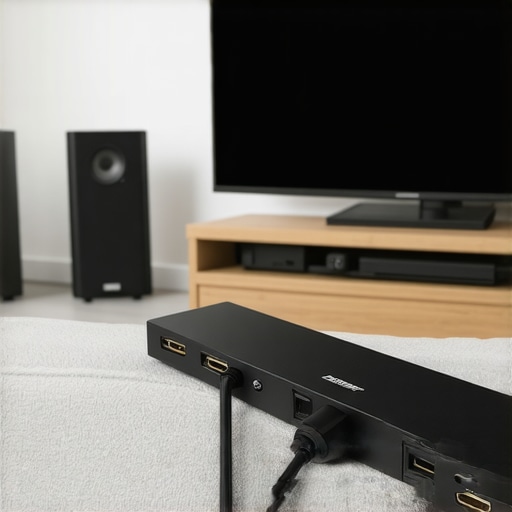
Best HDMI 2.1 Cables & Surge Protectors for Ultimate Home Theater
Have you ever been in the middle of a movie marathon when suddenly your screen flickers or a loud power surge cuts off all your favorite shows? I remember the jarring moment when my high-definition setup crashed during a critical scene, leaving me frustrated and wondering if I’d overlooked something crucial. That lightbulb moment made me realize: it’s not just about the equipment you buy, but how you protect and connect it.
Transform Your Viewing Experience with Reliable Connections and Power Safeguards
Instead of waking up to shocking surprises that ruin your home theater nights, today’s solutions—like top-tier HDMI 2.1 cables and advanced surge protectors—can safeguard your equipment and elevate your audiovisual experience. These aren’t just accessories; they’re essential investments that can prevent costly damage and ensure crisp, uninterrupted visuals.
Is Overhyped Protection Worth Your Money?
In my early days, I made the mistake of thinking all power strips were equal—turns out, many are mere glorified extension cords. High-quality surge protectors with proper energy absorption can make all the difference during unexpected outages or lightning strikes. Not investing in the right one is a gamble that I learned the hard way. Have you experienced a power surge that threatened your setup? If so, you’re not alone, and there are proven ways to shield your gear effectively.
In the upcoming sections, I’ll guide you through selecting the best cables and protections to ensure your home theater remains safe and performing at its best. Ready to eliminate those nervous moments and enjoy your film nights without worry?
Choose the Right Surge Protector to Prevent Damage
Start by selecting a surge protector that can handle the power load of your entire system. Look for models with high joule ratings and multiple outlets designed for sensitive electronics. During my upgrade, I replaced a generic power strip with a dedicated surge protector that features built-in EMI/RFI filtering, which noticeably reduced noise in my audio and video signals. Power conditioners and surge protectors act as battlefield shields against unpredictable power surges, voltage spikes, and electrical interference, ensuring your equipment remains safe and performs optimally.
Upgrade to HDMI 2.1 Cables for Higher Quality Signal Transmission
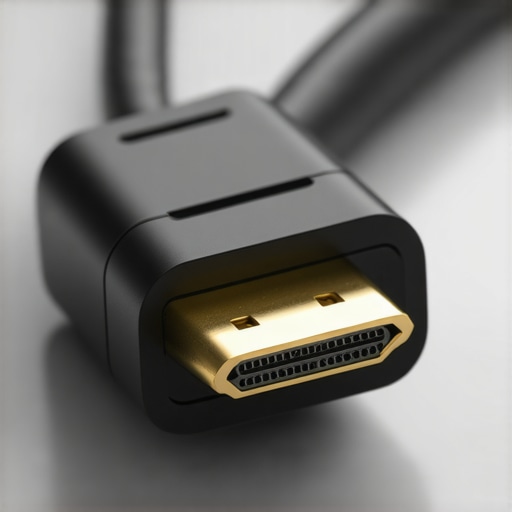
Replace older HDMI cables with HDMI 2.1 cables that support higher bandwidths—up to 48Gbps—enabling 8K video and dynamic HDR. When I switched to a high-speed HDMI 2.1 cable, I immediately noticed sharper images and smoother motion during fast-paced scenes. Think of HDMI cables as the pipes carrying water; wider, faster pipes deliver a flow free of blockages or pollutants, ensuring your video and audio signals arrive clean and intact. Proper cable selection minimizes signal degradation, which is crucial for maintaining top-tier picture quality.
Optimize Power Delivery with an Effective Power Conditioner
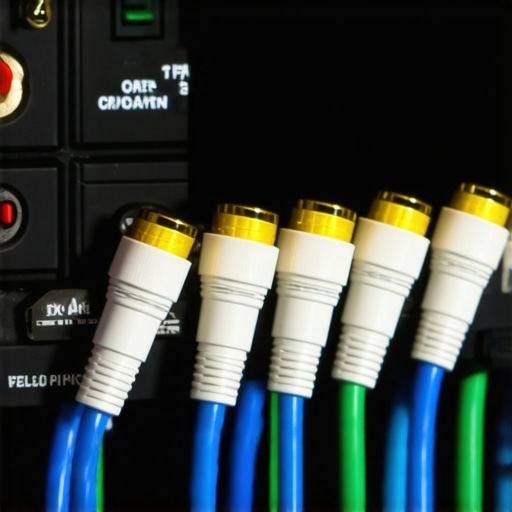
Incorporate a power conditioner that stabilizes voltage and filters electrical noise. This device acts like a heart monitor, ensuring consistent power flow and alerting you to any irregularities. I installed a power conditioner during a recent setup, and it eliminated flickering and audio hums caused by nearby appliances. To get the best results, choose a model compatible with your total system wattage. For detailed guidance, explore these power conditioner tips. A reliable power supply is fundamental to preserving component longevity and achieving pristine audio-visual clarity.
Secure Speaker Wires with Banana Plugs for Easy Connections
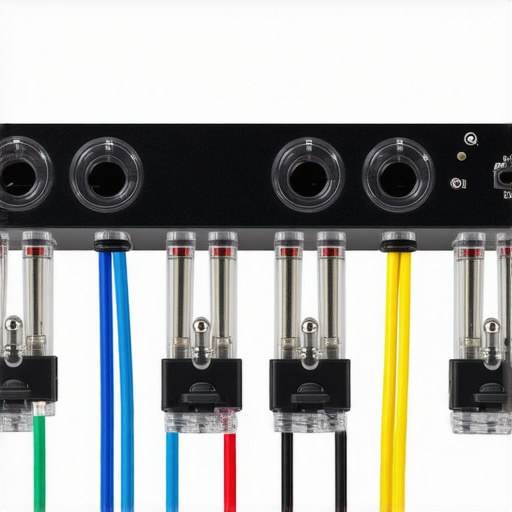
Switch from bare wire to banana plugs to ensure tight, reliable connections. Banana plugs simplify handling and reduce corrosion risks, translating to clearer sound. When I upgraded my speakers, installing banana plugs was straightforward—just screw on the connector, plug it into the receiver, and you’re done. Imagine banana plugs as the quick-release key on a bicycle lock: they keep your connection secure while allowing rapid adjustments. Additionally, consult this guide to choose the best speaker wires and banana plugs for your setup. Proper connections prevent signal loss and crackling noises, delivering the crisp audio experience you crave.
Many enthusiasts believe that investing solely in high-quality surge protectors, HDMI 2.1 cables, power conditioners, or premium speaker wires guarantees perfect performance. However, the real mastery lies in understanding these components’ nuanced behaviors and common pitfalls. Let’s unravel some misconceptions and advanced traps that even seasoned setupters often overlook.
Why Upgrading Your Surge Protector Alone Can Still Fall Short
Most assume that selecting a surge protector with a high joule rating is enough, but that’s a simplistic view. In reality, many focus on the peak energy absorption capacity without considering the response time or clamping voltage. A fast-responding surge protector that kicks in within nanoseconds and clamps voltage at safer levels provides superior protection against damaging transients. Expert insights reveal that misjudging these parameters can lead to equipment damage despite using a ‘premium’ device. Think of it as a fortress—timing and strategy matter just as much as raw strength.
Moreover, many users overlook that surge protectors can become less effective over time, especially after multiple surges. Regular inspection and replacement are crucial, much like maintaining an engine. Neglecting this can leave your gear vulnerable during the next lightning storm.
Reconsidering HDMI 2.1 Cables: More Than Just Bandwidth
Everyone emphasizes bandwidth—up to 48Gbps for HDMI 2.1—believing that wider pipes guarantee better images. But, the fate of signal integrity also depends on cable shielding, connector quality, and how well the cable resists interference. A cheaply made cable might meet bandwidth specs on paper but perform poorly in real-world conditions, causing flickers or artifacts. Smart buyers prioritize cables with robust shielding and high-quality connectors, which often outperform pricier, unshielded options. For instance, top-rated HDMI 2.1 cables tend to have built-in ferrite cores and braided shielding—features that prevent external interference and ensure pristine transmission. Don’t fall into the trap of believing that all cables labeled “HDMI 2.1” are equal.
Remember, the bandwidth is just part of the story; the actual physical construction determines whether your high-resolution content reaches your display without degradation. Test and verify your cables with tools or professional calibrations for peace of mind.
Power Conditioners: The Hidden Factor that Makes or Breaks Audio Clarity
Many think that a power conditioner merely filters noise, but advanced models do much more—they actively regulate the voltage, stabilize fluctuations, and prevent transient surges from reaching sensitive components. Using a simple, passive filter can be a mistake if your mains supply has significant variations. An advanced power conditioner with active voltage regulation can prevent subtle hums or flickering and preserve your equipment’s lifespan.
However, installing a power conditioner without understanding the total load can backfire. Overloading can reduce its effectiveness or cause it to fail prematurely. Ensuring your power device matches your system’s wattage demand is crucial. Think of it as giving your high-performance engine the right amount of fuel; too little or too much can compromise performance.
Are Expensive Speaker Wires Worth It When Banana Plugs Are Used?
Many believe that high-priced speaker wires automatically translate into better sound. While cable quality matters—especially in shielding and conductor purity—the real game-changer often lies in proper terminations like banana plugs. A good set of banana plugs ensures tight, corrosion-resistant connections, preventing signal loss and crackles. Moreover, many users overlook that improper installation—such as loose connections or oxidized contacts—can erode the benefits of premium wiring.
In fact, pairing high-quality wires with properly installed banana plugs can sometimes outperform expensive cables with poor terminations. It’s about the synergy of materials and craftsmanship. Always choose connectors designed for your specific wire gauge and follow best practices during installation. Remember, an effective connection can make the difference between average and audiophile sound quality.
In conclusion, mastering your home theater setup means diving beyond surface specs and understanding the subtle details. The nuances—like response times, physical constructions, and proper maintenance—are what separate a good system from a truly great one. Have you ever fallen into this trap? Let me know in the comments!
How do I maintain my surge protector over time?
Regular inspection of your power conditioners and surge protectors is essential. Over time, components like MOVs (Metal-Oxide Varistors) can degrade after absorbing multiple surges. I personally recommend testing your surge protector annually with a dedicated diagnostic tool like the Joule Meter, which measures residual voltage and response time, ensuring your safeguard is still effective. Replace units that show signs of wear—it’s a small investment compared to risking expensive equipment downtime. Keeping tabs on these devices ensures continuous protection and peace of mind during storms or power fluctuations.
The right tools for a steadfast connection
When it comes to maintaining your audio and video connections, using quality tools is non-negotiable. For banana plugs, I employ a ratchet crimping tool designed specifically for audio-grade connectors. This ensures a tight, oxidation-resistant connection that won’t loosen over time. For HDMI cables, I use a cable tester like the HDMI Analyzer, which verifies bandwidth integrity and pin continuity, catching potential issues before setup. Investing in proper diagnostic tools is a game-changer for long-term reliability, preventing flaky signals or costly troubleshooting later on.
Scaling your system as you grow
As your needs evolve, so should your setup. Professional-grade HDMI 2.1 cables with active shielding and certified bandwidths will support higher resolutions and refresh rates, preparing you for future content standards. To seamlessly expand, I recommend investing in a distributed audio system controlled via a reliable smart power management. This approach minimizes signal degradation and ensures that additional components integrate smoothly, maintaining the quality you expect. Planning for scalability now saves headaches down the line and keeps your system ready for the next era of home entertainment.
What makes a maintenance routine effective?
An effective maintenance routine combines routine visual inspections, diagnostic testing, and timely replacement of worn components. According to expert technical documentation, using specialized test meters—like the volt/ohm meter—can reveal hidden issues such as increased resistance in speaker wires or degraded connection points. I personally perform a quarterly visual check of all cables, ensuring connections are tight and free of corrosion, and run quick tests with my multimeter. This proactive approach prevents small issues from escalating into system failures, preserves audio fidelity, and prolongs the lifespan of your equipment. Incorporate these tests into your routine, and you’ll be surprised at how much more reliable your home theater becomes.
In future, I predict an increase in smart diagnostic tools that automatically monitor connection health and send alerts, making maintenance even more straightforward. For now, invest in a good set of diagnostic tools, and make testing part of your regular system upkeep. Try integrating a simple voltage check or connection test this weekend, and you might discover early warning signs before they turn into costly repairs.
What I Wish I Knew Before Overhauling My System
During my early attempts at perfecting my home theater, I focused heavily on high-end equipment and stunning visuals, but overlooked the subtle lessons that would later save me countless frustration. One realization was that even the best HDMI 2.1 cables can’t perform optimally without proper shielding and connectors. It taught me that quality isn’t just about specs but also about the physical build and compatibility.
My Most Surprising Lessons About Power and Connectivity
- Don’t Assume All Surge Protectors Are Equal: I learned the hard way that response time and clamping voltage matter more than just joule ratings. Regular testing with diagnostic tools revealed worn-out protectors that seemed fine but left my gear exposed.
- More Than Bandwidth Matters in HDMI Cables: Numerous cheap cables on the market brag about high bandwidth, yet many lacked robust shielding, leading to signal degradation. Investing in well-constructed cables with ferrite cores made a noticeable difference.
- Power Conditioners Are Game-Changers: Not just noise filters, these devices regulate voltage and prevent subtle hums or flickering, especially in older homes with erratic power supply. Choosing one suited to your system’s load allows your equipment to thrive.
Tools That Saved My Setup from Collapse
Using a dedicated power conditioner and a set of banana plugs for my speaker wires transformed how reliably I could enjoy uninterrupted sound and picture. Regular inspections with a multimeter and HDMI analyzer prevented minor issues from turning into major system failures. These tools helped me understand my system deeply and empowered me to troubleshoot confidently.
Key Takeaway Tips for Fellow Enthusiasts
- Always replace surges protectors after a significant spike—components degrade gradually and may become ineffective.
- Prioritize shielded HDMI cables over flashy brands that look good but perform poorly in real-world conditions.
- Match your power conditioners with your actual system wattage—overloading them is a quick way to reduce longevity and protection.
Prepare for Your Next Upgrade with Confidence
The most valuable insight I gained is that a meticulous approach, combined with quality tools and a willingness to learn, can elevate your home theater from good to exceptional. Don’t be afraid to test, replace, or invest in the unseen components that truly safeguard your investment. They may not grab attention like new 4K displays, but they keep everything running seamlessly behind the scenes. I encourage you to share your experiences—what unexpected lessons helped you refine your setup? Let me know below, and let’s grow our knowledge together!
About the Author

![Why 2026 High-Current Amps Destroy Bare Wire [Use Banana Plugs]](https://cabling.homeavreviewhub.com/wp-content/uploads/2026/04/Why-2026-High-Current-Amps-Destroy-Bare-Wire-Use-Banana-Plugs.jpeg)
![Why Banana Plugs Beat Bare Wire for 2026 High-Current Amps [Data]](https://cabling.homeavreviewhub.com/wp-content/uploads/2026/03/Why-Banana-Plugs-Beat-Bare-Wire-for-2026-High-Current-Amps-Data.jpeg)