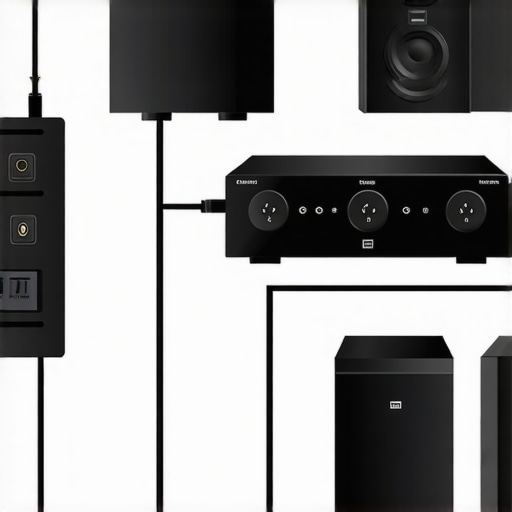
Power Conditioners & Surge Protectors: Safeguard Your Home Audio System
Ever had that sinking feeling when your high-end speakers suddenly crackle or your sleek home theater setup flickers during a crucial scene? I’ve been there—trust me, it’s a real gut punch. One night, I was finally enjoying my favorite movie, only to be greeted by a loud pop, a flicker, and a weird humming from my speakers. Turns out, my power supply was throwing tantrums, and I had no proper safeguard in place. That lightbulb moment made me realize how fragile and vulnerable our precious audio gear really is, and how I’d been ignoring the most basic protections that could save me big headaches later.
Fast forward to today, I want to share the knowledge I’ve gathered about something that can dramatically improve your setup—power conditioners and surge protectors. If you’re tired of interruptions, static, or even worse, costly equipment damage, then keep reading. We’re going to cut through the hype, debunk some myths, and I’ll show you exactly how to safeguard your home audio system effectively. Imagine peace of mind knowing your investment is protected from power surges, electrical noise, and unpredictable outages. Sounds good, right? Well, it’s totally doable, and I’ll walk you through it.
The Real Reason Your Audio System Needs Power Protection
Think about all the delicate components in your setup—your amplifier, DAC, receiver, and those fancy HDMI cables. They’re all vulnerable to something most people overlook: electrical noise and power surges. Electrical noise is like static in your audio, muddying your sound and reducing clarity. Surges, on the other hand, are sudden spikes in voltage—caused by lightning, power outages, or even your own appliances turning on—that can fry your gear in an instant. According to the National Institute of Standards and Technology, a typical power surge can deliver thousands of volts that can permanently damage your equipment.
In my early days, I thought plugging everything into a cheap power strip was enough. That mistake nearly cost me a new receiver and a set of speakers. It wasn’t until I invested in a quality power conditioner and proper surge protection that I started sleeping better at night. These devices don’t just protect; they also clean the power, reducing noise and giving your audio that extra clarity it deserves. Want to learn how to choose the right gear? Check out my tips for safe audio-video setup.
Is It Really Worth the Investment?
That’s a question I hear all the time. Honestly, I was skeptical at first. But after a few close calls with power surges and a noticeable improvement in sound quality, I became a believer. A good surge protector isn’t just about preventing disasters; it’s about preserving your audio experience and extending the life of your gear. Don’t fall into the trap of thinking it’s an unnecessary expense—think of it as insurance for your home entertainment paradise. Want to see how I upgraded? I used some of the best HDMI 2.1 cables and surge protectors that work seamlessly together to enhance performance and safety.
Secure Your Power Sources First
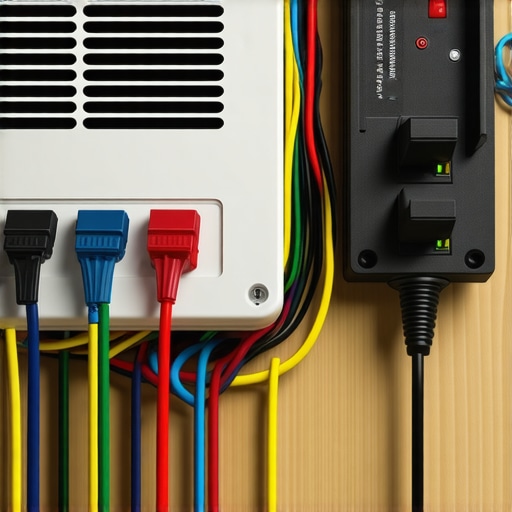
Start by assessing your electrical setup. Replace any cheap power strips with a dedicated power conditioner that filters out electrical noise and regulates voltage fluctuations. I remember the mess I created when I tried to daisy-chain multiple cheap power strips; the static noise worsened, and my equipment flickered constantly. Switching to a quality power conditioner instantly improved sound clarity and reduced interference. For detailed options, check my power conditioner tips.
Choose the Right Power Conditioner
Look for models with built-in surge protection, EMI/RFI filtering, and enough outlets for your gear. It’s like giving your equipment a clean, stable power buffet instead of a chaotic electrical storm. When I upgraded, I opted for a model that had enough outlets and a high joule rating to handle lightning strikes—trust me, it’s worth the extra investment for peace of mind.
Upgrade Your Speaker Connections
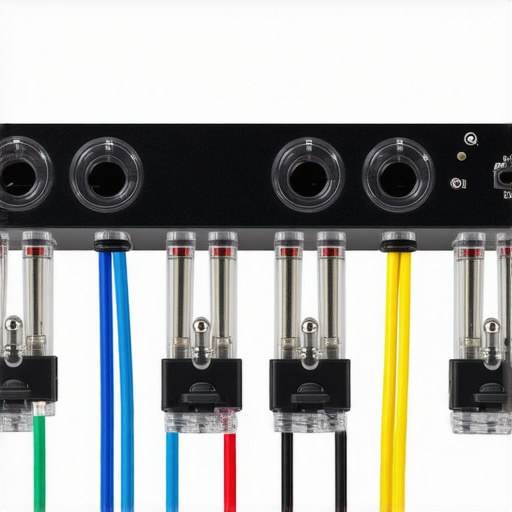
Using high-quality speaker wires and banana plugs is essential for clear audio. Instead of messy bare wires, I used banana plugs for quick and secure connections. They minimize signal loss and make future upgrades easy. When I first wired my speakers, I simply twisted wires into terminals, which sometimes caused loose connections and static. Swapping to banana plugs transformed my setup, providing a solid connection and better sound clarity.
Ensure Correct Wiring Techniques
Always use proper gauge wire and follow polarity—positive to positive, negative to negative. Proper crimping of banana plugs ensures no loose connections. I learned this the hard way when a loose connection caused a sudden drop in sound quality during a critical scene. Double-check your wiring with the comprehensive guide.
Optimize HDMI Cables for Quality and Safety
Choose high-speed HDMI 2.1 cables capable of handling 4K or 8K signals, especially if you plan to stream or game in high resolution. My first attempt with cheaper cables resulted in flickering and signal dropouts. Upgrading to certified HDMI 2.1 cables restored stability and enhanced image quality. Remember, not all cables are created equal—look for those with proper shielding to prevent electrical interference.
Add Surge Protectors to HDMI Lines
Protect your expensive AV gear by plugging HDMI cables into surge protectors designed specifically for high-speed signals. These devices prevent voltage spikes from damaging your connected equipment. I learned this after a lightning storm caused a surge that fried my receiver’s HDMI port—installing an HDMI surge protector saved me from replacing costly gear. For the best results, consult my surge protector recommendations.
Regular Maintenance and Checks
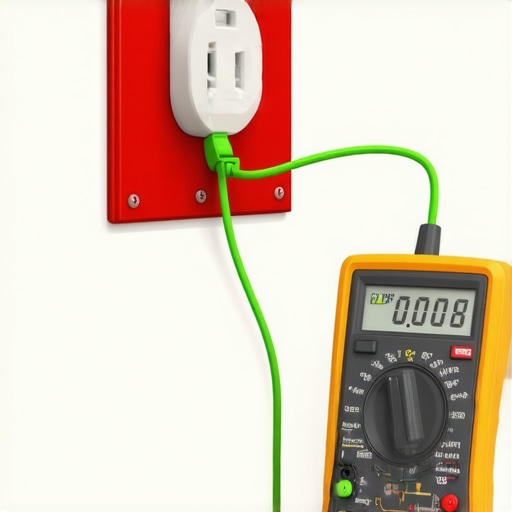
Periodically inspect your connections, replace worn cables, and ensure your surge protectors are functioning correctly. A quick test with a multimeter or surge protector tester can reveal hidden issues. I discovered a faulty surge protector when it failed to trip during a surge, risking my entire setup. After replacing it with a certified model, I gained confidence that my system was well protected.
Many enthusiasts and even seasoned audiophiles fall prey to misconceptions about critical components like HDMI 2.1 cables, speaker wiring, banana plugs, power conditioners, and surge protectors. Let’s dig deeper into what most people get wrong and reveal some hidden nuances that can significantly impact your setup’s performance and longevity.
Why Bigger Joule Ratings Don’t Always Mean Better Surge Protection
It’s a widespread belief that a surge protector with a higher joule rating provides better defense. While a high joule rating indicates more energy absorption capacity, it doesn’t guarantee superior protection if the device lacks quality components or proper design. In fact, an overemphasis on joule ratings can lead you to overlook other vital features like clamping voltage and response time, which are crucial during actual surges. For high-end setups, focus on surge protectors with low clamping voltage and fast response times—these ensure your gear is protected the moment a spike occurs. For an in-depth understanding, check my guide on surge protection.
Are HDMI 2.1 Cables Overhyped for Most Home Theaters?
Many believe that HDMI 2.1 cables automatically deliver superior picture quality, but this isn’t always true. The key lies in the source device and display compatibility, not just the cable itself. A cheap HDMI 2.1 cable with poor shielding can introduce interference or signal degradation, especially over longer runs. Conversely, a well-shielded, certified cable ensures stable high-bandwidth transmission, but only if your source and display support the features. Don’t fall for the myth that all HDMI 2.1 cables are equal—invest in quality cables that match your setup’s needs. For recommendations, see my HDMI cable buying guide.
Common Mistake with Speaker Wires and Banana Plugs
Many users assume that thicker gauge wire always equals better sound. While gauge is important, the real secret to clear audio lies in proper connection techniques and quality of materials. Using cheap or poorly crimped banana plugs can introduce static or loose connections that muddy the sound. It’s also tempting to focus solely on wire thickness and ignore the quality of the copper or the shielding. Remember, a well-made banana plug paired with high-quality wire and correct polarity makes a significant difference. For tips on perfect wiring, review my comprehensive wiring guide.
Are Power Conditioners Necessary for Every Setup?
Some believe that power conditioners are only for professional studios or large setups. However, even small home theaters benefit from clean, regulated power. The hidden nuance is that not all power conditioners are created equal. Low-quality units may introduce ground noise or fail to filter out high-frequency interference, negating their benefits. The best ones incorporate EMI/RFI filtering and proper grounding, which can dramatically improve audio clarity and protect your gear. Avoid the trap of overspending on features you don’t need—focus on models with the right specifications for your setup. Read more in my power conditioner tips.
Have you ever fallen into this trap? Let me know in the comments. Remember, understanding these hidden nuances helps you make smarter choices, ensuring your investment in high-quality audio and video gear pays off in the long run.
How do I maintain my audio and video connections over time?
Maintaining your setup is crucial for long-term performance, and it starts with using the right tools and following a consistent routine. I personally rely on a high-quality multimeter, like the Fluke 117, to periodically test my surge protectors and power conditioners. This helps me ensure they’re functioning correctly and providing reliable protection. Additionally, a dedicated cable tester, such as the Klein Tools VDV Scanner, allows me to verify the integrity of my HDMI and speaker wires, catching any degraded or faulty connections before they cause issues.
For cleaning connectors and contacts, I swear by contact cleaner sprays like DeoxIT D5. A quick spray on banana plugs, HDMI connectors, and terminal contacts prevents oxidation and ensures a solid connection. I make it a point to clean and inspect my cables every six months, especially after severe weather events that could cause power surges or electrical noise.
Tools I Recommend for Long-Term Setup Health
Beyond basic tools, investing in a cable management system, such as the Velcro cable ties and labeling kits, keeps everything organized and accessible. This not only makes troubleshooting easier but also minimizes wear and tear on your cables. For example, I label each HDMI and speaker wire with durable tags, which speeds up maintenance and minimizes accidental disconnections.
Another essential is a surge protector with a built-in joule rating of at least 4,000, and response time under 1 nanosecond, like the Tripp Lite Isobar. These safeguard your gear from unexpected spikes, especially during thunderstorms. I regularly test my surge protectors using a surge protector tester, which simulates surges and confirms their response time and protection capacity.
Planning for Future Growth and Upgrades
As your system evolves, so should your maintenance approach. For scaling, consider modular components—such as HDMI splitters with surge protection or multi-outlet power conditioners—that can grow with your needs. Keeping your cables current, like upgrading to the latest HDMI 2.1 standards, ensures compatibility with new devices and features. In the future, I predict smart, network-enabled surge protectors and power conditioners will become more mainstream, offering remote diagnostics and automatic shutdowns for added peace of mind.
How do I keep my setup running smoothly without frequent failures?
Regular checkups are key. I schedule a comprehensive review every quarter, inspecting all connections for tightness, wear, and cleanliness. Replacing worn cables and updating firmware on power conditioners or surge protectors, where applicable, keeps my system in top shape. Remember, a well-maintained setup not only prevents unexpected failures but also ensures optimal audio and video quality for years to come.
Don’t forget to try the tip of using a multimeter to regularly verify your surge protectors’ integrity. It’s a simple step that can save you from costly damages and downtime. With the right tools and maintenance routine, your home theater will remain reliable, safe, and ready for future upgrades!
The Hardest Lesson I Learned About hdmi 2.1 cable,speaker wire,banana plugs,power conditioner,surge protector
My biggest mistake was underestimating how vulnerable my high-end audio and video setup really was. I used cheap power strips and neglected proper wiring, which led to static, flickering, and even equipment failure during storms. The moment I invested in a quality power conditioner and learned correct wiring techniques, everything changed—sound became clearer, images sharper, and my gear stayed safe even in lightning storms. That lightbulb moment taught me that premium protection isn’t just an upgrade; it’s a necessity for longevity.
Curated Recommendations for Serious Audiophiles
For anyone serious about protecting their home theater, I recommend starting with the ultimate guide to speaker wires and surge protectors. Additionally, the power conditioner tips provided by experts have saved me from many costly mishaps. Lastly, consider investing in top-rated HDMI 2.1 cables and surge protectors to ensure flawless signal integrity and safety across your device lineup.
Embrace the Future of Audio-Visual Safety
If you’re like me, your home theater is more than just a setup—it’s a passion. The good news is that safeguarding your investment is easier than you think, and the benefits go beyond just protection. Cleaner power, better sound, stunning images—these are the rewards of choosing quality power protection. Don’t wait for a storm or surge to remind you; take action today. Your future self will thank you for the peace of mind and superior performance that comes with smart upgrades and regular maintenance. Ready to elevate your home theater’s safety and quality? Dive into the detailed guides and start making smarter choices now!
Have you ever struggled with ensuring your power supply or wiring quality? Share your experiences below—I’d love to hear how you safeguard your setup!
About the Author

![Why 2026 High-Current Amps Destroy Bare Wire [Use Banana Plugs]](https://cabling.homeavreviewhub.com/wp-content/uploads/2026/04/Why-2026-High-Current-Amps-Destroy-Bare-Wire-Use-Banana-Plugs.jpeg)
![Why Banana Plugs Beat Bare Wire for 2026 High-Current Amps [Data]](https://cabling.homeavreviewhub.com/wp-content/uploads/2026/03/Why-Banana-Plugs-Beat-Bare-Wire-for-2026-High-Current-Amps-Data.jpeg)
Reading through this post really resonated with my own experience. I used to think that plugging everything into a basic power strip was enough to protect my high-end AV equipment, but after a few power surges during thunderstorms, I quickly realized how vulnerable my setup was. Since upgrading to a dedicated power conditioner with EMI/RFI filtering, the clarity and stability of my audio and video have noticeably improved. The increase in performance was well worth the investment, and it gave me peace of mind during stormy weather. One thing I found helpful was regularly testing my surge protectors with a simple tester—it’s a quick way to ensure ongoing protection. Has anyone else noticed a tangible difference in their system after switching to higher-quality power protection devices? I’d be curious to hear how your experiences compare and what models you’ve found most reliable in real-world use.
This post really hits home for me; I’ve seen firsthand how power issues can wreak havoc on high-end home theater setups. A few years ago, lightning struck near my house, and I lost my 4K projector and a premium receiver because I didn’t have proper surge protections in place. After that, I invested in a high-quality power conditioner with EMI/RFI filtering and dedicated surge protection. The difference is night and day—not only in the clearer audio and sharper picture quality but also in my peace of mind during storms. One thing I’ve learned is that not all surge protectors are created equal, especially those with higher joule ratings but poor response times. I’ve opted for units with low clamping voltage and fast response times, which seem more effective in real-time protection. Has anyone tested their surge protectors with a surge tester to verify proper operation? I’d love to hear what models have worked well for others and any additional tips for maintaining long-term integrity of these devices.
This post really hits home for me, especially the part about the importance of proper wiring and surge protection. I remember thinking that upgrading my HDMI cables and speaker wires was enough, but I overlooked the power supply’s stability and surge protection, which led to intermittent signal issues and static noise. After I finally invested in a dedicated power conditioner with EMI/RFI filtering, I noticed a significant improvement in both the clarity of my audio and the overall system robustness, especially during thunderstorms. It’s fascinating how these little details—like proper grounding and quality surge protectors—can make such a difference in performance and longevity. Has anyone else experienced a noticeable change after upgrading their power setup, and do you have recommendations for specific brands or models? It seems like many overlooked components play a crucial role, and I’d love to hear your tips on creating a resilient home AV system.
This post really highlights the critical importance of protecting our valuable audio-visual equipment from power fluctuations and surges. I’ve also experienced that unsettling moment when a lightning storm causes a surge, and my investment in a quality surge protector and power conditioner made a world of difference. What struck me most was the emphasis on proper wiring and using high-quality cables—something I used to overlook in my early days. Since upgrading my setup, the clarity and stability of my system noticeably improved, especially during bad weather. I’m curious, has anyone experimented with installing dedicated electrical circuits for their home theater? From what I’ve read, this can further stabilize power flow and reduce noise, but it’s a bigger investment. What are your thoughts on this, and do you think it’s worth the extra effort?
This post really struck a chord with me because I’ve experienced similar issues with power fluctuations affecting my high-end audio system. Upgrading to a quality power conditioner was a game-changer—it not only protected my gear during storms but also noticeably improved sound clarity and reduced background noise. I’ve also started testing my surge protectors periodically, which keeps me confident in their performance. One thing I’ve wondered about lately is whether installing dedicated circuits for a home theater truly makes a significant difference in power stability or if that’s more of a luxury than a necessity for most hobbyists. Has anyone here done that and noticed a real improvement? I’d love to hear some insights or personal experiences, especially from those who’ve balanced that upgrade with budget considerations.
This post really highlights the importance of taking proactive steps to protect your audio-visual investments. I have to admit, I used to overlook the significance of proper wiring and surge protection, thinking they were minor details. But after experiencing a power surge that damaged my expensive gaming setup, I quickly realized how crucial these safeguards are. Upgrading to a high-quality power conditioner and carefully selecting surge protectors with low clamping voltage and quick response times made a noticeable difference in both system stability and clarity. Also, switching to banana plugs for my speaker connections really helped avoid loose wiring issues that caused static. Has anyone here experimented with dedicated circuits for their home theater? I’ve read that they can really stabilize power and reduce electrical noise, though it’s a bigger investment. I’d love to hear your thoughts—do you think it’s worth it for improving sound quality and equipment longevity?