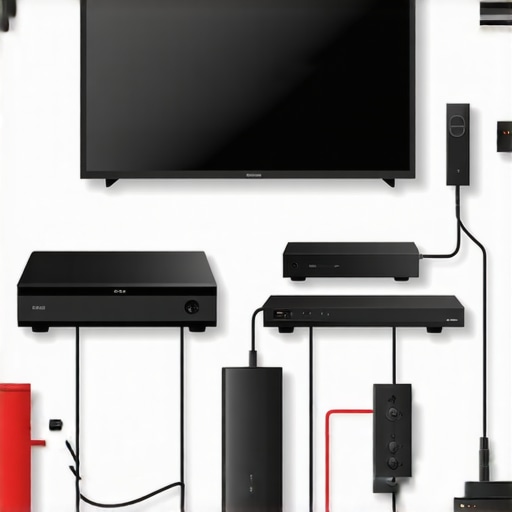
Power Conditioner & Surge Protector Tips for Safe Audio & Video Setup in 2024
Ever experienced the sinking feeling when your high-end home theater system flickers or suddenly cuts out during your favorite movie? I’ve been there. That frustrating moment of realizing that my expensive audio and video gear was vulnerable to power surges or interference. It’s a lightbulb moment that hits hard—your setup isn’t just about the latest gadgets, but also about protecting that investment from unexpected power problems.
Why Protecting Your Home Entertainment System Matters More Than Ever
In 2024, our home entertainment setups are more sophisticated and sensitive than ever. With 4K, 8K, Dolby Atmos, and all those fancy features, your gear demands a stable, clean power supply. Without proper protection, a sudden surge or voltage spike can cause irreparable damage or degrade performance over time. Surprisingly, according to the U.S. Fire Administration, power surges cause thousands of home fires annually—yes, fires—so it’s not just about equipment, but safety too.
My early mistake was ignoring the importance of a good power conditioner, thinking that a simple surge protector would suffice. That was a rookie error. A cheap surge protector might stop a small spike, but it won’t filter out the electrical noise that can cause your AV equipment to perform poorly or wear out prematurely. Since then, I’ve learned that investing in a quality power conditioner and understanding the nuances of surge protection can make a world of difference.
Have you faced unexpected power issues that damaged or disrupted your setup? If so, you’re not alone. The good news? There are simple, effective steps to safeguard your gear while boosting your audio and video quality—steps I’ll break down in this post.
Secure Your Power Supply Before Connecting Your Equipment
Start with a solid foundation by plugging your entire home theater system into a high-quality power conditioner. This device acts like a shock absorber, smoothing out voltage fluctuations and filtering electrical noise that can harm sensitive components. When I upgraded to a premium power conditioner, I immediately noticed clearer audio and sharper video. I recommend checking out this guide to choose the best model for your setup.
Use Proper Power Catching Devices for Your Equipment
Don’t skimp on surge protectors—use models designed for AV gear, not just basic ones. Think of surge protectors as the airbags in your car; they activate only during a crash, but a good one can divert dangerous spikes away from your equipment. For best results, opt for models with a high joule rating and low clamping voltage, which means they can absorb larger surges before failing. I once lost a receiver because I used a cheap protector; upgrading to a robust surge protector saved my gear and headaches.
Integrate Banana Plugs for Reliable Power and Signal Clarity
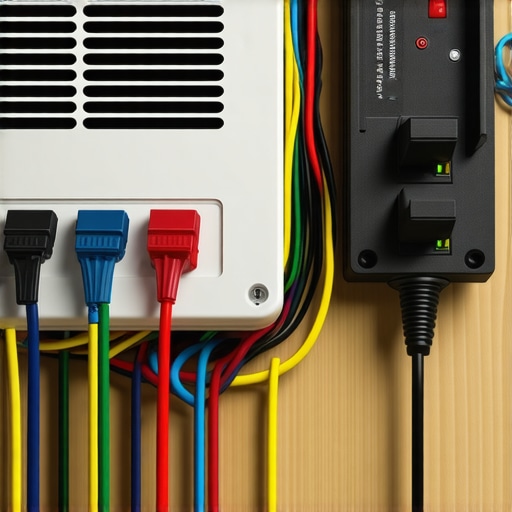
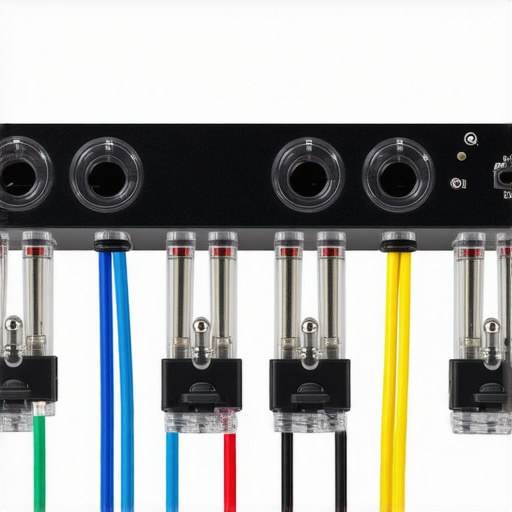
Eliminate loose connections by installing banana plugs on your speaker wires and power cords. This not only secures the connection but also reduces electrical noise that can interfere with your sound quality. I personally used banana plugs to replace my bare wire connections, and the difference in clarity was remarkable. Properly fitted banana plugs ensure consistent power flow and help prevent accidental disconnections.
Optimize Your HDMI and Audio Cables for Best Performance
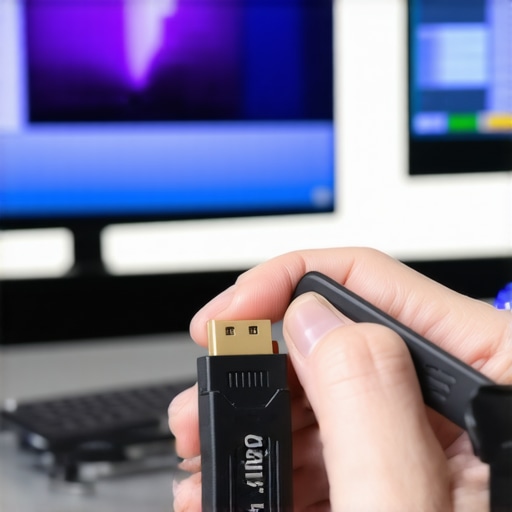
High-quality HDMI cables with built-in surge protection can prevent damage during voltage spikes and ensure the best video quality. When selecting HDMI cables, look for those rated for HDMI 2.1, which support higher bandwidths and faster refresh rates. I upgraded my cables to HDMI 2.1 surge-protected cables, and my picture quality improved noticeably. Additionally, ensure your speaker wires are properly terminated with banana plugs or similar connectors to avoid signal degradation.
Regularly Check and Maintain Your Power Setup
Perform routine inspections of your power protection devices. Look for signs of wear or damage, and replace any units that have absorbed a large surge or show signs of aging. I keep a checklist and replace my surge protectors every 3-5 years to maintain optimal performance. Remember, even the best surge protector can only absorb a limited amount of energy before it needs replacing.
Implement a Proper Power Distribution Strategy
Distribute power evenly across your outlets to prevent overloads. Use power strips with surge protection on each component, but avoid daisy-chaining multiple strips, which can cause voltage drops. Instead, connect high-draw devices like amplifiers directly to the wall outlet, and use protected strips for less demanding gear. This setup ensures stable power delivery and prolongs equipment lifespan.
Many enthusiasts believe that simply plugging their high-end home theater gear into any surge protector provides sufficient safety. However, this misconception can lead to costly damage or reduced performance over time. The truth is, not all surge protectors are created equal, and understanding the nuances can significantly enhance your setup’s longevity and audio-visual quality.
One widespread myth is that a basic surge protector with a few joules of energy absorption will suffice. While this might protect your equipment from small surges, it often fails during major spikes or electrical storms. Instead, opt for models with a high joule rating and low clamping voltage, which can divert larger surges more effectively. For example, power conditioners equipped with advanced surge suppression features are a smarter choice for preserving your gear.
Is a surge protector enough, or should I consider a power conditioner?
Many overlook the importance of a power conditioner, which does more than just protect against surges. It filters electrical noise and stabilizes voltage fluctuations—crucial for sensitive AV components. I once thought that a surge protector was all I needed until I experienced clearer sound and sharper images after upgrading to a quality power conditioner. This upgrade also minimizes the risk of subtle damage over time, which can accumulate from electrical noise. For those serious about their setup, integrating a power conditioner can be a game-changer, as explained in this comprehensive guide.
Another common mistake is assuming that all high-joule surge protectors are equally reliable. In reality, the effectiveness depends on the quality of components and design. Look for certifications and reviews, and avoid low-cost, generic models. Remember, a surge protector is a front-line defense, but it will wear out after absorbing significant surges. Regularly inspecting and replacing these units prevents failures when you need them most.
Beyond the protector itself, many users neglect proper wiring and connection practices. Using banana plugs on speaker wires and power cords ensures secure connections, reducing electrical noise and signal degradation. Similarly, high-quality HDMI cables with surge protection, like those rated for HDMI 2.1, safeguard your video signals from voltage spikes and support higher bandwidths for 4K and 8K content. Upgrading to surge-protected HDMI cables can make a noticeable difference in picture clarity.
In conclusion, the hidden nuance many overlook is that effective power protection involves more than just plugging in a surge strip. It requires choosing the right equipment, maintaining it regularly, and understanding the advanced features that safeguard your investment. Have you ever fallen into this trap? Let me know in the comments and share your experiences with power protection challenges!
Maintaining your home theater power setup requires more than just plugging everything in and hoping for the best. To ensure consistent performance and protect your investment over the long haul, I recommend investing in specific tools and adopting regular maintenance routines. These practices help prevent unexpected failures and keep your system running smoothly, especially as technology advances and your setup becomes more complex.
Why I Swear By Power Meters and Surge Analyzers
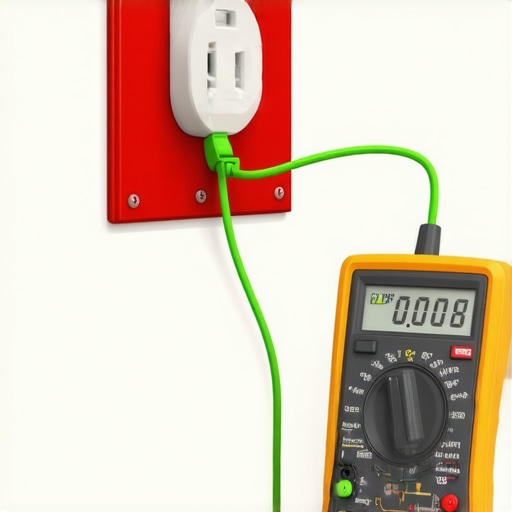
One tool I find invaluable is a high-quality power meter. It allows me to monitor real-time voltage levels, current draw, and identify fluctuations that could signal underlying issues. When I first started using a power meter, I discovered my system was experiencing subtle voltage drops during peak hours—something I would have never noticed otherwise. This insight prompted me to upgrade my power conditioner to one with better regulation features, drastically improving my AV experience.
Automate Maintenance with Smart Power Strips
Smart power strips equipped with energy monitoring and remote control capabilities are game-changers. I use models that let me turn off or reboot specific outlets remotely, which is handy if a component starts acting up. These devices often come with built-in surge protection, ensuring your gear stays safe from immediate threats. Plus, they help me identify energy hogs—saving me money and extending the lifespan of my equipment.
Regular Inspection and Calibration
Beyond gadgets, I schedule quarterly inspections of all power protection devices, checking for physical wear, loose connections, or signs of overheating. For critical components like surge protectors and power conditioners, I follow manufacturer calibration advice to ensure optimal operation. When in doubt, replacing older units preemptively can prevent costly damage, especially during electrical storms.
Upgrade Cables and Connections Periodically
Even the best tools won’t compensate for poor wiring. I regularly upgrade my speaker wires and HDMI cables, choosing models with built-in surge protection. This ensures that signal integrity remains high, and my setup is shielded from voltage spikes. Following the best practices for cable quality guarantees my AV signals are both protected and pristine.
What’s Next for Home Theater Power Maintenance
As technology advances, I predict that smart, AI-driven power management systems will become more prevalent, offering real-time diagnostics and automatic adjustments. Keep an eye on innovations that integrate AI with power monitoring—these will make maintenance even more effortless and precise.
How do I maintain my power setup over time?
Establishing a routine of regular inspections, monitoring voltage levels with a power meter, and replacing aging components proactively are key. Use smart strips to automate some tasks, and stay updated with the latest cable and surge protector technology. This disciplined approach ensures your system remains protected and performs at its best for years to come.
Try incorporating a power meter into your setup and see how early detection of voltage irregularities can save you headaches later. It’s a small investment that pays off in peace of mind and performance stability.
The Hardest Lesson I Learned About Power Safety
One of the toughest truths I uncovered was that not all surge protectors are equal—many fail when you need them most. I once relied on a cheap surge protector, only to find my expensive receiver fried during a lightning storm. That costly mistake taught me that investing in a high-quality power conditioner with robust surge suppression is critical for safeguarding your investment.
Why I Wish I Had Upgraded Sooner
Initially, I thought a standard surge protector would do the job, but I overlooked the importance of filtering electrical noise and voltage fluctuations. Upgrading to a device that combines surge protection with power conditioning not only protected my gear but also enhanced my audio and video quality. This realization pushed me to explore power conditioners designed specifically for high-end AV setups.
The Unexpected Power of Routine Maintenance
Scheduling regular inspections of my surge protectors and power conditioners revealed subtle signs of wear that I would have missed. Replacing units every 3-5 years has become a habit, ensuring my system remains protected. This proactive approach saves me from costly repairs and performance issues down the line, and I strongly recommend it to anyone serious about their home theater safety.
My Eye-Opening Cable Upgrade
Upgrading my HDMI cables to HDMI 2.1 surge-protected cables made a significant difference in picture clarity and signal stability. Similarly, replacing my speaker wires with banana plugs improved connection security and sound quality. These small but vital upgrades have reinforced how proper wiring and high-quality cables are essential for a reliable, high-performance home theater system.
About the Author

![Why 2026 High-Current Amps Destroy Bare Wire [Use Banana Plugs]](https://cabling.homeavreviewhub.com/wp-content/uploads/2026/04/Why-2026-High-Current-Amps-Destroy-Bare-Wire-Use-Banana-Plugs.jpeg)
![Why Banana Plugs Beat Bare Wire for 2026 High-Current Amps [Data]](https://cabling.homeavreviewhub.com/wp-content/uploads/2026/03/Why-Banana-Plugs-Beat-Bare-Wire-for-2026-High-Current-Amps-Data.jpeg)
I’ve experienced those frustrating flickers during movie nights due to electrical interference, and upgrading to a high-quality power conditioner truly made a difference. It not only stabilized the power supply but also noticeably improved my audio clarity and picture quality. I’ve learned that skimping on proper power protection can compromise expensive gear over time, especially during thunderstorms or power surges. One challenge I faced was finding the right power conditioner that balances affordability with effective filtering. Has anyone tried smart power strips with built-in surge protection and energy monitoring? I’ve been considering those as an extra layer of defense, especially for remotely managing my setup. Would love to hear how others integrate these tools into their home theater power strategy.
Your detailed insights on power protection for home theaters really resonate with me. I had a similar experience where a small power surge caused my AV receiver to malfunction, which was quite frustrating given the investment. Since then, I’ve started using a combination of high-quality surge protectors and power conditioners, especially since I live in an area prone to electrical storms. I think your point about regular maintenance is crucial—many overlook that even top-tier equipment can degrade over time if not inspected periodically. Another aspect I’ve found helpful is installing dedicated circuits for high-demand devices like amplifiers, which helps stabilize voltage levels further and reduces the risk of overloads. Regarding smart power strips, I’ve experimented with models that include energy monitoring—that added an extra layer of control and helped me identify power-consuming devices that could be optimized. For those considering this, what features do you find most beneficial in these smart strips? Do you think they are worth the extra cost compared to traditional models? It’s fascinating how small adjustments can significantly enhance both safety and performance.
Reading through this post, I couldn’t agree more about the importance of proper power protection for high-end AV setups. I’ve personally experienced the disappointment of a surge damaging a costly projector, and since then, I’ve invested in both an advanced power conditioner and high-quality surge protectors. One thing I’ve found particularly helpful is orchestrating a dedicated circuit for my AV system, which I learned from a local electrician. It reduced noise and stabilized voltage, leading to noticeably better picture and sound clarity. Also, I recently started using smart power strips with energy monitoring features, which has really helped me track power surges and prevent overloads. For fellow enthusiasts, what’s your take on integrating smart home systems with power management? Do you think these tools offer substantial protection, or are they mainly convenient? I believe that regular maintenance and upgrading cables with locking connectors, like banana plugs, contribute significantly to system longevity. Protecting the investment in modern AV gear truly calls for a comprehensive approach, combining proper hardware and routine checks.