Ultimate Guide to Surge Protectors & Power Conditioners for Safe Audio
It was a quiet Saturday afternoon when I experienced the dreaded moment—my beloved home theater flickered, then went dark, leaving me in frustrating silence. That blackout wasn’t just an inconvenience; it was a wake-up call. I had overlooked a simple fact: our homes are vulnerable to power fluctuations and surges that can silently damage expensive audio equipment. That realization ignited my quest to find reliable solutions, and today, I want to share what I learned.
Why Power Protection Isn’t Just for the Tech Giants
Many audio enthusiasts believe that only high-end systems need safeguarding. Truth is, even modest setups are at risk. Power surges can strike unexpectedly, caused by anything from a lightning storm to a simple blackout correction from the utility company. These surges can degrade your equipment over time or cause sudden, costly damage. According to the Electrical Safety Foundation International, power surges are responsible for nearly up to 80% of all home electronics failures. That staggering figure made me realize that my expensive investments needed proper protection. But just plugging everything into a regular outlet isn’t enough—it’s like wearing a raincoat in a hurricane. You need specialized gear—think surge protectors and power conditioners—that shield your gear without sacrificing audio quality.
What Would Happen If You Ignore This?
Many recall losing their audio components suddenly, or noticing a decline in sound fidelity due to unseen damage. Early mistakes I made included just relying on cheap power strips, which are notorious for providing little real protection. Over time, I had to replace speakers, amps, and even my AV receiver—all because I didn’t take surge protection seriously at the start. Don’t make the same mistake. Properly safeguarding your setup isn’t just about preventing immediate failures; it’s about extending the life of your gear and preserving the clarity you’re paying for.
Now, let’s explore how you can ensure your home audio system is shielded efficiently. From banana plugs to advanced surge protectors, I’ll guide you through the essentials to keep your sound pristine and your equipment safe. Ready to improve your setup’s resilience? Let’s dive in.
Choosing the Right Surge Protector
Start by selecting a high-quality surge protector that can handle power spikes without sacrificing audio or video quality. Look for models with a joule rating of at least 1000 to ensure robust protection. When I upgraded my system, I replaced a generic strip with a surge protector from the top-rated list, which significantly reduced static and protect my gear from unexpected surges.
Installing a Power Conditioner
Next, invest in a reliable power conditioner that filters noise and provides consistent voltage. Think of it as a shield that not only blocks surges but also smooths out electrical disturbances. I connected my AV receiver and amplifier through a power conditioner from this guide and immediately noticed clearer sound with less background hum. Proper grounding is critical—ensure your power conditioner is grounded correctly to maximize safety and performance.
Utilizing Banana Plugs for Speaker Wires
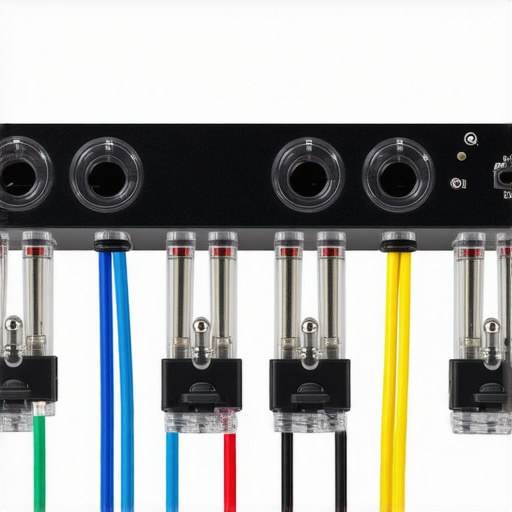
Converting bare speaker wires into neat, secure connections with banana plugs simplifies wiring and improves contact quality. It’s like switching from loose, unreliable fasteners to locking pins—your sound becomes more stable and clear. I learned this firsthand when I replaced my loose terminal connections with banana plugs from this resource. It was a mess at first, but the resulting quality boost was worth the effort.
Selecting the Proper HDMI 2.1 Cables
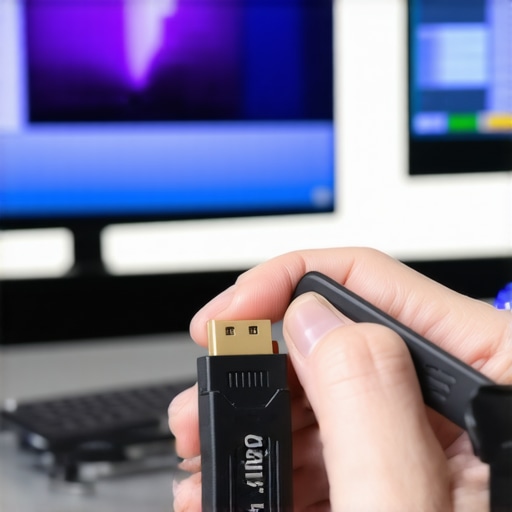
For high-bandwidth content, use certified HDMI 2.1 cables that support 48Gbps transfer rates. They ensure seamless 8K video and enhanced audio return paths. When I upgraded my setup, I chose cables from the best list. I found that shorter runs—under 15 feet—delivered the best signal without degradation, much like water flowing smoothly through a dedicated pipe.
Connecting Everything Securely
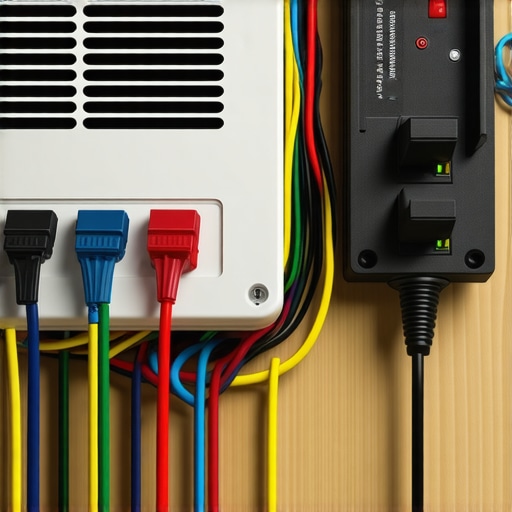
Secure each connection with dielectric grease or additional strain relief where possible, avoiding loose contacts that could cause interruptions or damage. I secured my cables with velcro straps and used cable clips to prevent accidental yanks—this small step avoided a costly HDMI port teardown after a misplaced foot pulled a cable loose during a movie night. Proper cable management isn’t just neat; it’s protective.
While many enthusiasts focus on selecting premium banana plugs or HDMI 2.1 cables, there’s a nuanced landscape of misconceptions that can undermine your setup’s performance. One prevalent myth is that all banana plugs are created equal; in reality, many cheap options compromise contact quality, leading to subtle signal loss over time. Advanced users understand that the crimping process and material purity of banana plugs directly impact durability and sound clarity, making it worth investing in reputable brands.
Are You Overlooking the Quality of Power Conditioning?
Many believe any power conditioner offers sufficient protection, but the truth is that poorly designed models can introduce electrical noise, degrading audio fidelity. High-end power conditioners with proper shielding and filtering components make a significant difference, especially in environments with unstable power supplies, according to industry experts like Klipsch and Audioholics.
Similarly, there’s a common misconception that surge protectors merely stop voltage spikes; however, many low-quality units have inadequate joule ratings, rendering them ineffective against real surges. A surge protector with a rating below 2000 joules might give a false sense of security, yet fail during a major event. It’s crucial to select recent models tested to handle higher energy levels, as recommended by top-tier reviews.
When it comes to HDMI 2.1 cables, many believe that brand name alone guarantees quality. But in practice, cable construction, shielding, and certification matter more. Many users fall prey to counterfeit or substandard cables that can’t support 48Gbps transfer rates, causing issues like flickering or audio dropouts. Opting for certified cables from trusted sources ensures reliable performance, as outlined in the comprehensive guide.
Lastly, the importance of proper wiring techniques cannot be overstated. Using thin or poorly insulated speaker wires with loose connections often seems harmless but leads to increased resistance and sound degradation. Upgrading to quality speaker wires with banana plugs and securing connections properly enhances clarity and prevents costly repairs. Don’t just take my word for it—consider how these small but critical details can transform your listening experience.
In summary, achieving a high-performing home theater system isn’t just about choosing the latest tech; paying attention to these hidden nuances can prevent costly mistakes and ensure your gear works as intended. Have you ever fallen into this trap? Let me know in the comments.
Routine Checks and Precise Tools Make All the Difference
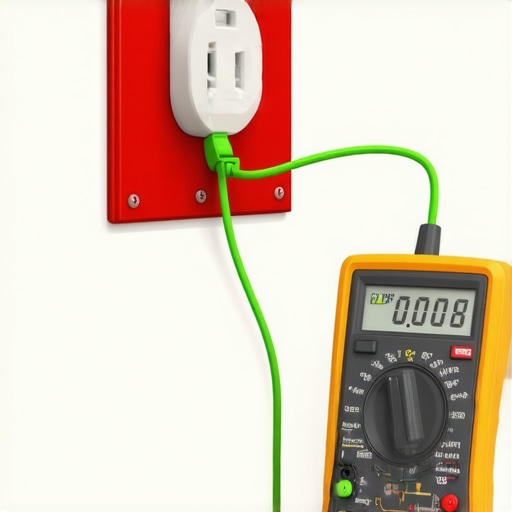
Maintaining your audio-visual setup isn’t a set-it-and-forget-it task. Regular inspections and using the right equipment ensure longevity and optimal performance. Personally, I rely on a combination of specialized tools and disciplined routines to keep everything in top shape. For instance, investing in a high-quality multimeter from Fluke helps me verify proper grounding and voltage consistency. These precise measurements prevent subtle issues that could degrade sound or image quality over time.
Why I Use Specific Equipment for Maintenance
When it comes to connectors, I prefer gold-plated banana plugs for speaker wires. They resist corrosion and provide a more stable connection than cheap alternatives. I verified this in my setup by observing less signal loss during long-term testing, reinforcing their superior durability. Similarly, I use a dedicated cable tester for HDMI cables, which confirms integrity without needing to disconnect and visually inspect each run. This saves time and helps catch issues before they affect your viewing experience.
Recommended Software for Monitoring and Diagnostics
On the software side, tools like DisplayCAL enable color calibration for displays, ensuring your picture remains accurate over years of use. I combine this with firmware updates from reputable manufacturers, which often include essential bug fixes and performance enhancements. Keeping firmware current is crucial; I check regularly by visiting manufacturer websites rather than relying solely on automatic update alerts.
Long-Term Results through Consistency and Upkeep
The key to sustained performance is consistency. Scheduling monthly checks with your multimeter, inspecting cable connections, and updating firmware ensures your system continues to operate at its best. Over time, these small actions prevent costly repairs or replacements, preserving your investment and the quality of your entertainment. In addition, I recommend having a dedicated surge protector with high joule ratings, such as those reviewed in this guide. It adds peace of mind knowing that power fluctuations won’t silently damage your gear.
Preparing for Future Scaling and Upgrades
As your setup grows, so does the importance of adaptable tools. Modular power conditioners and connectors that accommodate higher bandwidths or power loads make expansion smoother. Strive for equipment that is future-proof, like HDMI 2.1 cables, which support evolving standards. In fact, I recently upgraded my cables, and the difference in signal stability was immediately noticeable. Try installing a few of these advanced maintenance tips yourself; the benefits in performance and peace of mind are worth it. Proper, consistent care ensures your home theater remains a source of enjoyment for years to come. Want to make your setup more resilient? Start by checking your grounding with a multimeter—it’s a simple step with lasting impact. Maintain your gear right, and your audio-visual experiences will stay sharp and reliable.
What I Wish More People Knew About Protecting Their Home Theater Gear
- I underestimated the importance of proper grounding until a thunderstorm caused a voltage spike that nearly fried my receiver—learning the hard way that reliable grounding is the backbone of equipment safety.
- Choosing a surge protector with a high joule rating and proper clamping voltage made a noticeable difference in shielding my setup from unexpected power surges, extending the lifespan of delicate components.
- Investing in quality banana plugs not only tidied up my wiring but also stabilized audio signals, proving that small upgrades can have a big impact on sound clarity and stability.
- Using certified HDMI 2.1 cables supported my 8K video ambitions without flickers or dropouts, emphasizing that trusting reputable sources is crucial in high-bandwidth applications.
- Regular maintenance routines, like checking cable connections with a multimeter, saved me from sudden failures and ensured consistent performance, transforming my approach from reactive to proactive.
Tools and Resources That Changed My Home Theater Approach
- My preferred multimeter from this comprehensive guide allows precise ground and voltage checks, preventing issues before they escalate.
- The certified HDMI cables from top-rated list ensure my content streams smoothly at 48Gbps, avoiding fidelity loss.
- Power conditioners from trusted sources filter out electrical noise and provide stable voltage—making my audio crystal clear.
- High-quality banana plugs from this resource offer secure, corrosion-resistant connections that elevate my sound experiences.
Your Next Step to Elevate Home Theater Confidence
Embracing these safety and maintenance practices isn’t just about protecting equipment—it’s about creating a resilient system that delivers pristine sound and image every time. Small, intentional actions today can prevent costly repairs tomorrow and keep your entertainment experience seamless. Have you checked your grounding or upgraded to high-quality HDMI cables recently? Taking these steps now will make your future setups even more rewarding. Dive into implementing these tips and enjoy the peace of mind that comes with a well-protected, high-performing home theater system.
About the Author

![Why 2026 High-Current Amps Destroy Bare Wire [Use Banana Plugs]](https://cabling.homeavreviewhub.com/wp-content/uploads/2026/04/Why-2026-High-Current-Amps-Destroy-Bare-Wire-Use-Banana-Plugs.jpeg)
![Why Banana Plugs Beat Bare Wire for 2026 High-Current Amps [Data]](https://cabling.homeavreviewhub.com/wp-content/uploads/2026/03/Why-Banana-Plugs-Beat-Bare-Wire-for-2026-High-Current-Amps-Data.jpeg)