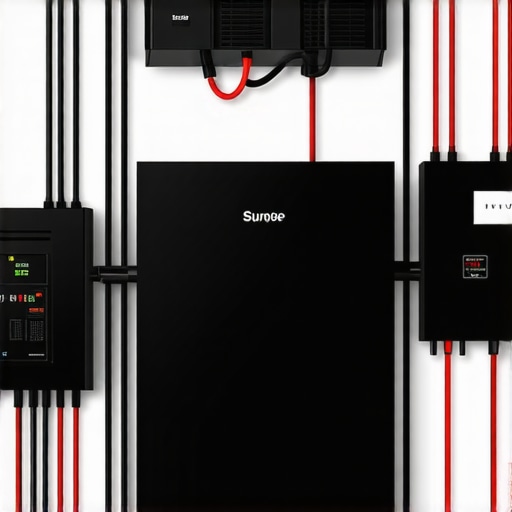
Power Conditioners & Surge Protectors for Safe, Clear Audio in 2024
Ever sat down to enjoy your favorite music or a movie, only to be greeted by crackling audio, flickering screens, or unexpected power outages? I’ve been there. One moment, everything’s perfect—then a spike or drop in power ruins the experience. It was a lightbulb moment for me when I realized that my high-quality audio setup was vulnerable to something I’d overlooked: the quality of my power supply. That realization led me down a rabbit hole of researching how to safeguard my equipment and ensure I get the crystal-clear sound I crave without the risk of damage.
Why Power Quality Can Make or Break Your Audio Experience
Many folks focus on the latest speakers, amps, or cables, but neglect the backbone of your system: the power. Fluctuations, surges, and interference aren’t just minor nuisances—they can distort sound, damage sensitive components, or even cause complete failures. In fact, a study by the National Electrical Manufacturers Association (NEMA) found that power surges are responsible for roughly 50% of all electronic equipment failures. That’s no small number, especially when you’ve invested heavily in your home theater or audio setup.
In my early days, I thought plugging everything into a basic power strip was enough. Spoiler alert: It isn’t. I learned this the hard way after replacing a high-end amplifier that succumbed to a power surge during a storm. Since then, I’ve made it my mission to understand how to properly protect my gear, and I want to help you do the same.
Today, I’ll walk you through the essentials of choosing the right power conditioners and surge protectors—devices that can truly make a difference in the clarity, safety, and longevity of your audio system. Ready to stop guessing and start protecting? Let’s dive in.
Is all Surge Protection Created Equal? Don’t Waste Your Money on the Wrong Gear
One mistake I made early on was buying cheap surge protectors that promised the moon but offered little real protection. Not all devices are built to handle the power spikes that can fry your gear. If you want reliable protection, consider investing in a high-quality power conditioner or surge protector. For a detailed look at the best options for 2024, check out this comprehensive review.
Select the Right Device for Your Setup
Start by identifying your equipment’s power needs. For high-end audio gear, a dedicated power conditioner offers superior filtering and protection. I once ordered a budget surge protector, thinking it would suffice, but during a storm, my expensive amp shut down unexpectedly. That was my wake-up call. For reliable protection, look for models that specify surge energy ratings in joules and clamping voltage. Check reviews and certifications—devices with UL 1449 certification are a safe bet. Explore top options for 2024 at this review.
Properly Connect Your Power Conditioning Equipment
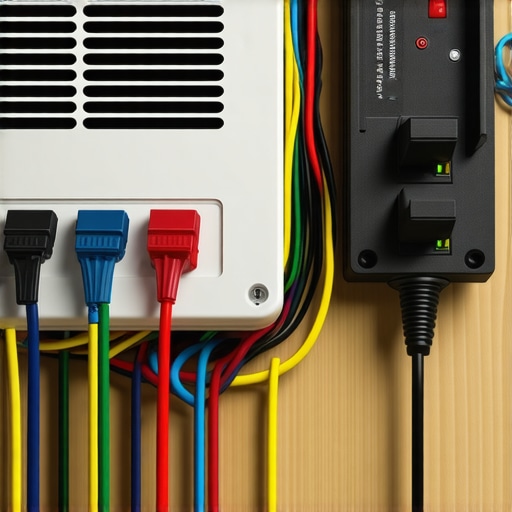
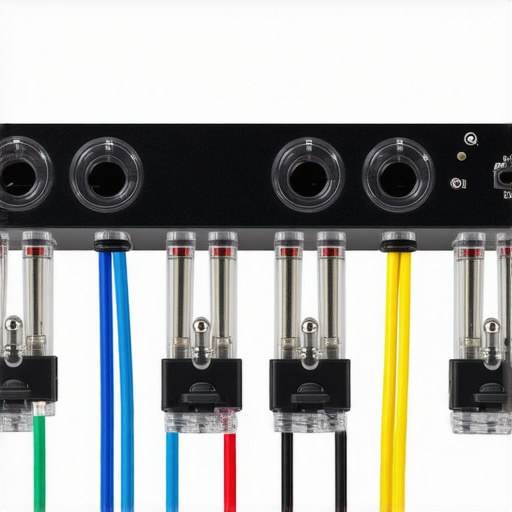
Once you have your device, it’s crucial to connect it correctly. Plug your audio components directly into the power conditioner, avoiding daisy-chains or cheap power strips, which can bypass protective features. I learned this the hard way when I connected my receiver and turntable into a single strip, causing noise issues. Position the power conditioner close to your gear but ensure ventilation. Use heavy-gauge power cables for optimal transfer. For HDMI and speaker wiring, consider high-quality cables that support your system’s bandwidth—see best HDMI 2.1 cables and speaker wire tips.
Implement Surge Protection for All Critical Connections
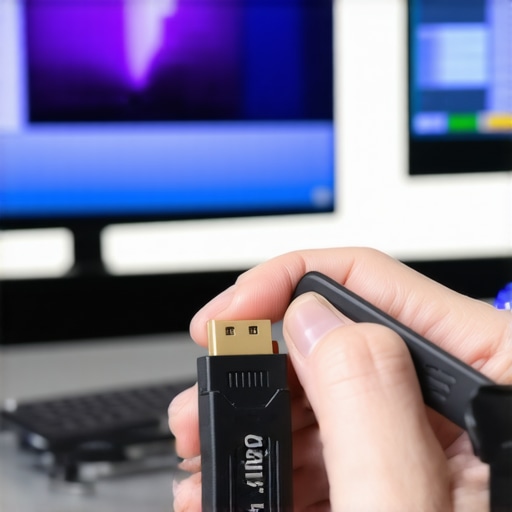
Surge protectors aren’t just for outlets—they should also protect your HDMI, speaker wires, and power cables. Use surge-protected HDMI cables (see top picks) to prevent voltage spikes from damaging your video and audio signals. For speaker wires, consider banana plugs and high-quality cabling—check this guide. During a recent thunderstorm, replacing my old HDMI cables with surge-protected ones saved my setup from a power surge, maintaining crystal-clear audio and video.
Test and Maintain Your Power Safeguards
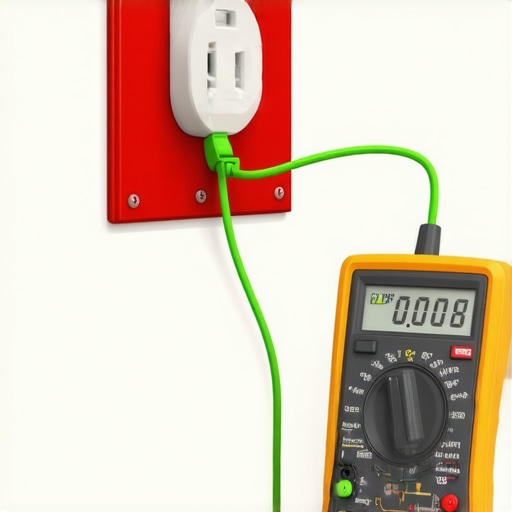
After installing your protection devices, test them regularly. Use a multimeter to verify voltage levels and ensure surge protectors are functioning. Many models have indicator lights—if they turn red or go out, replace the device immediately. I neglected this once, and my equipment was vulnerable during a sudden spike. Schedule periodic checks, especially after storms or electrical work in your area, to keep your system safe and sound. For more detailed protection strategies, see this comprehensive guide.
While many enthusiasts focus on selecting the most advanced speakers or the latest HDMI cables, a less obvious but equally critical aspect often gets overlooked: understanding the nuances of power protection. One of the biggest misconceptions is that all surge protectors and power conditioners are created equal. In reality, many people fall into the trap of buying cheap, generic devices that fail when they are needed most, especially during unexpected power surges caused by lightning or grid fluctuations. This can lead to catastrophic damage to your high-end gear. For instance, a study by the National Electrical Manufacturers Association highlights that equipment failures due to inadequate surge protection are alarmingly common, yet easily preventable with the right gear.
Let’s clarify a common myth: many believe that plugging their gear into a basic power strip provides sufficient protection. This is false. A power strip without proper surge suppression offers little to no real defense against voltage spikes. Instead, investing in a high-quality power conditioner with a joule rating of at least 2,000 and UL 1449 certification can make all the difference. Check out top-rated options here.
Another nuance is the importance of proper connection. Connecting multiple devices through a single surge protector or daisy-chaining cheap power strips can bypass the protective features. Instead, each critical component should have its own dedicated, surge-protected outlet. Also, avoid using low-quality HDMI or speaker cables during surges, as these can act as conduits for voltage spikes. For HDMI, opt for surge-protected cables that are designed to handle voltage fluctuations, like those reviewed here. Similarly, for speaker wires, banana plugs and shielded cables can help prevent interference and voltage issues.
Many hobbyists overlook the need for regular testing of their protection setup. Use a multimeter to verify that surge protectors are still functioning correctly—indicators like LED lights can sometimes give false security. Replace any device that shows signs of wear or damage, especially after storms or electrical work in your area. This simple step can prevent a ruined amplifier or damaged receiver, saving you hundreds of dollars in repairs or replacements.
Finally, the advanced reader should consider the impact of power quality on sound clarity. Even small fluctuations can introduce noise or distortions in sensitive audio equipment. A well-designed power conditioner can help filter out these micro-interferences, ensuring pristine audio quality. If you want to learn more about optimizing your system’s power, explore this detailed guide.
Have you ever fallen into this trap? Let me know in the comments, and share your experience with power protection in your setup.
Keeping your home audio-visual system running smoothly over time requires more than just initial setup. Regular maintenance ensures your power protection devices remain effective, safeguarding your investment and maintaining optimal sound and video quality. I personally recommend a combination of routine checks and using reliable tools to keep everything in top shape.
Invest in a Quality Multimeter for Ongoing Checks
One of my go-to tools is a high-quality multimeter like the Fluke 117. This device allows me to verify voltage levels at various outlets and ensure my surge protectors and power conditioners are functioning correctly. Regular testing—at least quarterly—helps catch potential issues before they cause damage. For example, I routinely check that the indicator lights on my surge protectors remain green; if they turn red or go dark, I replace them immediately. This proactive approach prevents surprises during storms or electrical spikes.
Monitor Your Equipment’s Performance with Power Management Software
In addition to hardware checks, I use software solutions like APC PowerChute or CyberPower’s PowerPanel to monitor surge protector status and power quality over time. These tools provide alerts if voltage fluctuations or surges occur, giving me a chance to intervene early. Combining hardware and software monitoring creates a comprehensive safety net for my valuable gear.
Schedule Routine Maintenance and Upgrades
Electrical systems evolve, and so should your protection measures. Every few years, I review my setup—upgrading surge protectors to models with higher joule ratings and replacing old HDMI or speaker cables with surge-protected versions. This ensures that micro-interferences or voltage spikes don’t compromise my audio-video quality. Don’t forget to revisit your wiring as your system grows; new cables can bring improved shielding and resilience. For instance, upgrading to better HDMI cables can make a noticeable difference in picture clarity and noise reduction over time.
Future of Power Maintenance in Home AV
Looking ahead, I predict that smarter, integrated power management systems will become standard. Devices that automatically detect and respond to power anomalies will simplify maintenance and enhance safety. For now, investing in reliable tools and following a routine check schedule is the best way to keep your system working flawlessly.
If you haven’t already, I encourage you to try using a multimeter regularly and set up software alerts. These small steps can save you from costly repairs and preserve your home theater experience for years to come.
The Hardest Lessons I Learned About Power Safety in AV Setups
One of my biggest lightbulb moments was realizing that even the best audio gear can’t perform at its peak without proper power protection. I used to think that plugging everything into a cheap power strip was enough — until a lightning storm proved me wrong. Since then, I’ve learned that quality surge protectors and power conditioners are the silent heroes behind crystal-clear sound and vivid visuals. I also discovered that many high-end systems suffer damage not from the equipment itself, but from overlooked power fluctuations and surges. Protecting your gear isn’t just about avoiding costly repairs; it’s about ensuring that your audio-visual experience remains flawless over time.
My Essential Toolkit for Safe and Sound Home Theater
Over the years, I’ve come to trust a handful of tools and resources that have kept my setup safe. First, a high-quality multimeter like the Fluke 117 is indispensable for ongoing checks—verifying voltage levels and surge protector health. Second, I rely on detailed guides and reviews from trusted sources like this review hub to choose the right surge protectors and power conditioners. Lastly, I use monitoring software such as APC PowerChute to get real-time alerts on power anomalies. These tools together form a robust shield that keeps my gear protected and my experience uninterrupted.
Don’t Wait for the Next Storm to Think About Power Safety
The future of home AV power management is exciting, with smarter, integrated systems that can automatically respond to fluctuations. But until then, proactive maintenance and regular checks are your best defense. Start by testing your surge protectors every few months, replacing any that show signs of wear, and upgrading cables to models with better shielding. Remember, micro-interferences and small voltage fluctuations can subtly degrade your audio clarity over time. Taking action now not only preserves your equipment but also guarantees that every note, image, and scene remains as intended. So, are you ready to give your home theater the power protection it deserves? Share your biggest challenge with power safety below and let’s troubleshoot together.
About the Author

![Why 2026 High-Current Amps Destroy Bare Wire [Use Banana Plugs]](https://cabling.homeavreviewhub.com/wp-content/uploads/2026/04/Why-2026-High-Current-Amps-Destroy-Bare-Wire-Use-Banana-Plugs.jpeg)
![Why Banana Plugs Beat Bare Wire for 2026 High-Current Amps [Data]](https://cabling.homeavreviewhub.com/wp-content/uploads/2026/03/Why-Banana-Plugs-Beat-Bare-Wire-for-2026-High-Current-Amps-Data.jpeg)
This post really hit the mark on something I’ve underestimated for years—power quality. I used to think plugging my home theater into a basic surge protector was enough, but after experiencing flickering screens during storms, I realized I needed to step up my game. I recently upgraded to a dedicated power conditioner with a high joule rating, and the difference in both safety and audio clarity has been noticeable. It’s fascinating how micro-interferences, often overlooked, can cause subtle distortions that degrade sound quality over time. I wonder, has anyone tried integrating power management software to monitor their system’s power health? I’m considering getting a setup that alerts me to voltage fluctuations or surges in real-time. It seems like a smart way to stay proactive rather than reactive, especially during unpredictable weather seasons.
This is such a pertinent reminder that even premium audio and visual equipment can be vulnerable if the power supply isn’t stable. I had a similar experience years ago where a lightning strike caused a surge that fried my receiver, despite being plugged into a basic surge protector. Since then, I invested in a high-quality power conditioner with a substantial Joule rating and dedicated outlets for my critical components. The difference in both safety and audio quality was immediately noticeable. One thing I’ve started doing is using a software-based power management system that alerts me to surges or dips in real-time, which adds an extra layer of security. Does anyone have recommendations for reliable power management software compatible with home audio setups? I’d love to hear how others are monitoring their power quality and protecting their gear—especially during storm seasons.
This post really resonates with my experience in protecting high-end audio gear. Power surges and fluctuations are silent enemies that can subtly degrade sound quality or cause damage over time. Upgrading to a quality power conditioner was a game-changer for me, especially during stormy seasons. I also started using a system with surge energy ratings above 2,000 joules, and it’s reassuring to see the clear difference it makes in both safety and performance. Regarding power management software, I’ve been using APC PowerChute, which provides real-time alerts and helps me keep an eye on my power quality. Has anyone else noticed a tangible improvement in audio clarity after installing such protective measures? It’s surprising how micro-interferences can cause increased noise or reduced detail in audio tracks, which can be so frustrating for audiophiles. I’d love to hear about others’ setups or additional tips on integrating hardware and software for optimal protection and sound quality. It’s definitely worth the effort to preserve our investment and elevate our listening experience.