Best Power Conditioner & Surge Protector Tips for Safe Audio Setups
Ever experienced that horrible moment when your high-end speakers crackle, or your pristine picture flickers ominously during your favorite movie? I remember the first time I lost my surround sound just as the climactic scene hit its peak. It was a wake-up call that made me realize I had been overlooking a crucial part of my setup—power protection and quality wiring. That unexpected glitch wasn’t just a minor annoyance; it was a sign that my equipment was vulnerable to power surges and interference, which could cause long-term damage.
Why Safe Power Matters for Your Audio System
In my quest for perfect sound and picture clarity, I discovered that even minor power issues could significantly degrade audio and video quality. This revelation led me down a rabbit hole of researching how to shield my gear properly. The solution isn’t just about plugging things into any outlet; it’s about understanding how to safeguard your investment with the right power conditioners and surge protectors. Did you know that according to a report from the Electrical Safety Foundation International, power surges are responsible for nearly 80% of all electrical damage in homes? That’s alarming, yet many of us still ignore this risk until it’s too late. For a comprehensive guide, check out this detailed article that breaks down the essentials of safeguarding your home theater in 2024.
Will a Surge Protector Really Save Your Gear?
Honestly, early in my journey, I made the mistake of thinking a basic surge strip was enough. Spoiler: It’s not. The difference between a cheap surge protector and a top-tier power conditioner is night and day. Those inexpensive strips often lack the clamping capacity needed for powerful surges, leaving your equipment exposed. I learned this the hard way after a lightning strike fried my HDMI switch—something I could have easily prevented with the right setup. So, if you’ve ever felt skeptical about investing in proper power management, I get it. But I promise, the peace of mind and quality improvements are worth every penny. Want to know what features to look for? Dive deeper into this guide for insights on picking the best units for 2024.
Now, let’s explore the practical steps to ensure your audio and video gear remains protected and delivers peak performance without interruption. Are you ready to upgrade your setup? Let’s get started.
Choose the Right Power Conditioner and Surge Protector
Start by investing in a high-quality power conditioner that combines noise filtering with surge protection. This device acts like a dam that absorbs sudden spikes in electrical flow, preventing them from reaching your sensitive components. When I upgraded mine, I chose a model featured in this guide, which provided both clean power and protection. Always ensure your unit has a clamping voltage low enough to handle typical surges but sturdy enough for lightning strikes.
Upgrade Your Speaker Wires and Banana Plugs for Pure Sound
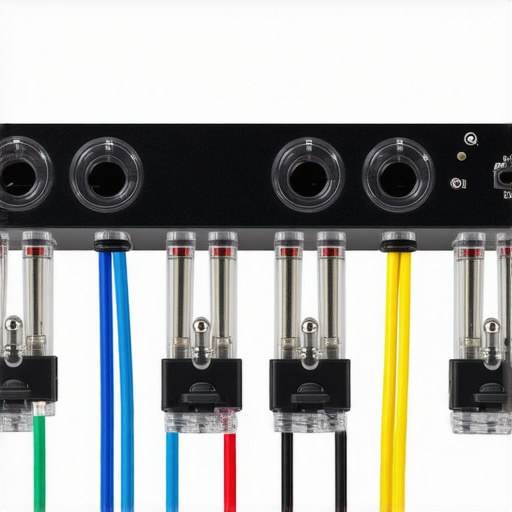
Replace cheap speaker wires with thicker, oxygen-free copper cables to minimize resistance and interference. Think of speaker wires as highways for audio signals; wider and smoother roads reduce traffic jam—meaning clearer sound. Pair them with banana plugs, which lock into terminal posts securely, preventing accidental disconnections and signal loss. I found that upgrading to banana plugs not only improved my connection stability but also made setup less frustrating, especially when I had to frequently adjust speakers.
Opt for a Heavy-Duty HDMI 2.1 Cable with Surge Protection
Use HDMI 2.1 cables and ensure they are shielded against power surges. Think of these cables as transmission lines; any interference is like static on a radio, muddying the clarity. When I swapped out my old HDMI cables for these premium HDMI 2.1 options, I noticed a remarkable improvement in picture quality and buffering stability. To prevent damage from electrical spikes, consider adding HDMI surge protectors, which work like lightning rods, diverting harmful voltage away from your expensive equipment.
Lay Out Wiring Systematically for Optimal Performance
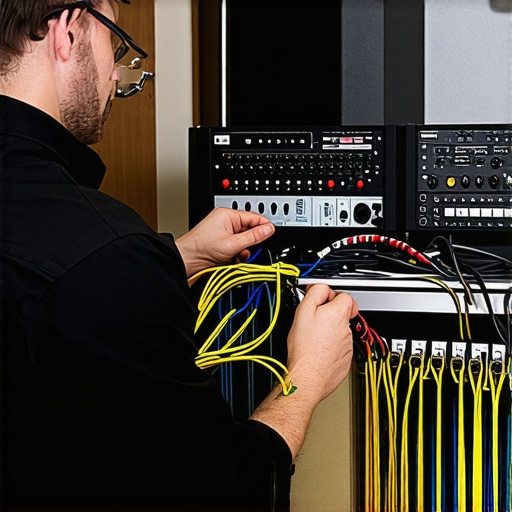
Manage your cables meticulously: keep power and audio/video cables separated to prevent electromagnetic interference. Use cable organizers and ensure cables are not tightly bent or tangled—this reduces signal loss and physical wear. I once routed my speaker wires haphazardly behind furniture, leading to muffled sound. After rearranging to keep wires neat and away from power cords, my audio clarity improved noticeably. Consult this resource for detailed wiring strategies that achieve a cleaner, safer setup.
Test and Maintain Your System Regularly
After setting up your wiring and power protections, test each component under normal operation. Use a multimeter to verify that your power supply delivers consistent voltage and that your surge protection devices activate during surges. Maintain cleanliness by periodically inspecting cables for damage or corrosion. I remember a time when I ignored loose banana plug connections, which caused intermittent sound. After fixing these issues, my system ran smoothly, emphasizing the importance of regular checks. For prolonged safety, consider scheduling quarterly maintenance following these tips.
Most enthusiasts believe that once they’ve purchased a surge protector or high-quality speaker wire, their setup is fully protected. However, the nuances and misconceptions surrounding these components are often overlooked, leading to suboptimal performance and potential damage. Let’s peel back the layers and examine what many get wrong when it comes to these critical elements of AV systems.
Are Cheap Surge Protectors Doing Their Job?
Many assume that any surge protector provides sufficient safeguarding. In reality, not all units are equal. Budget models often lack the necessary clamping voltage and joule ratings to handle power surges effectively. These inadequate devices may give a false sense of security, leaving your equipment vulnerable. The misconception stems from equating price with protection level, but professional-grade surge protectors feature advanced components that divert high-voltage spikes. Investing in a top-tier protector can be the difference between years of trouble-free operation and costly repairs.
Relying Solely on the Thickness of Speaker Wires
Another common myth is that thicker speaker wires automatically mean better sound. While it’s true that larger gauge cables reduce resistance, the real importance lies in the quality of the copper and the shielding. Using subpar cables with high resistance or poor insulation can introduce noise and degrade clarity, regardless of their thickness. Advanced users know that proper shielding and oxygen-free copper wires ensure cleaner signals, especially for long runs. Beware of the trap that encourages you to buy the thickest wire available—sometimes, a well-made thinner wire outperforms a cheap, thick cable.
Are Power Conditioners Overhyped?
Many think power conditioners are unnecessary unless they experience noise or fluctuations. This view misses a crucial point: Power conditioners do more than protect; they provide cleaner, more stable power, enhancing audio/video fidelity and longevity. Particularly in homes with multiple devices, electromagnetic interference can subtly diminish picture sharpness and sound clarity. Using a quality unit from this resource can unlock hidden performance gains, often unnoticed until after the upgrade. Don’t fall for the myth that they are only for show or professional theaters—modern units are vital for premium setups. Have you ever fallen into this trap? Let me know in the comments.
Is HDMI 2.1 Always Worth the Extra Cost?
There’s a common assumption that HDMI 2.1 cables are just a marketing gimmick and that standard HDMI suffices for most uses. This is misleading. HDMI 2.1 cables support higher bandwidth, richer color spaces, and advanced features like variable refresh rates and eARC, which make a tangible difference in high-end systems. For demanding setups—such as 4K @120Hz or gaming consoles—skimping on the right cable can cause lag, buffering, or degraded picture quality. Thus, the real mistake is not recognizing when the extra bandwidth and features truly matter. For the ultimate experience, choose carefully according to your device requirements—see this selection guide.
In summary, approaching these components with a nuanced understanding rather than assumptions can drastically improve your AV system’s reliability and performance. Remember, equipment and accessories aren’t just commodities; their proper selection and installation are investments toward superior sound and vision. Would you like to dive deeper into any specific area or clarify other misconceptions? Let me know in the comments!
Maintaining Performance with the Right Tools
To keep your high-end audio-visual setup functioning flawlessly over the years, investing in quality tools and following disciplined maintenance routines is essential. I rely heavily on a calibrated multimeter like the Fluke 115, which allows me to regularly verify that my power supply is stable and within the optimal range. This simple step helps detect early signs of electrical issues before they cause damage, especially after thunderstorms or power fluctuations. Additionally, using a reliable cable tester such as the Klein Tools VDVuxe can quickly identify faulty connections or damaged cables, saving time and preventing signal degradation. Regular inspections with these tools ensure your system remains in top shape without the need for costly repairs down the line.
Automate Protection and Updates to Stay Ahead
Automation plays a significant role in long-term maintenance. I recommend setting up surge protectors with monitoring features, like the APC SurgeArrest, which provides real-time alerts if a surge occurs, so you can act promptly. Moreover, software updates for your power conditioners and HDMI switchers can improve performance and compatibility. Many modern power conditioners include firmware updates accessible via USB or Ethernet, which enhance noise filtering capabilities and surge response. Staying updated with the latest firmware, as recommended by these experts, ensures your equipment benefits from the latest safety features. Consider scheduling quarterly check-ins to review firmware and component integrity, ensuring longevity and continuous optimal performance.
Scaling and Long-Term Results for a Reliable Setup
As your system grows, so does the importance of scalable solutions. Integrating modular power conditioners allows easy expansion, which is preferable over replacing entire systems. For wiring, using high-quality HDMI 2.1 cables like those available on this guide ensures future-proof performance, accommodating higher bandwidth needs without signal loss. Pair this with banana plugs for speaker connections, which facilitate quick upgrades and secure connections—serving both performance and convenience. Planning your wiring with flexibility in mind enables a system that adapts seamlessly to upgrades, providing consistent long-term results.
How do I keep my surge protector and wiring in shape over time?
Proper maintenance involves routine inspections of surge protectors for signs of wear or damage, such as burn marks or loose connections. Power conditioners should be cleaned periodically, and their vents checked to prevent overheating. Replacing aging HDMI cables with newer models ensures compatibility and performance. I personally swap out my HDMI cables every 3-5 years, especially after significant system upgrades, which helps avoid degradation due to cable wear or outdated technology. Also, periodically tightening banana plug connections prevents intermittent sound or loss. An effective tip I’ve adopted is to label and organize all cables and connectors, which simplifies troubleshooting and plugging in new components. For detailed guidance, review these safety tips. Try setting a quarterly maintenance routine, including cable checks and firmware updates, to keep your AV system performing reliably for years to come.
Throughout this journey, I’ve realized that elevating your home theater isn’t just about upgrading gadgets—it’s about mastering the unseen yet critical backbone of your setup: power and wiring. Small changes, like choosing the right surge protector or upgrading to oxygen-free copper speaker wires, have made a world of difference in my experience. These aren’t just accessories; they’re the silent heroes ensuring your investment delivers crystal-clear sound and stunning visuals day after day.
What Hidden Lessons Did I Learn About Protecting and Maxing Out My System’s Potential
- More Than Just a Plug: Surprising to me early on was how a quality power conditioner does more than block surges; it filters electromagnetic interference, resulting in noticeably cleaner audio and sharper images. I used to overlook this until I experienced a sudden reduction in background noise after upgrading.
- The Power of Proper Wiring: I used to think thicker wires always meant better sound, but I discovered that quality matter more—oxygen-free copper and good shielding make all the difference for long cable runs and reducing interference. Investing in high-grade banana plugs also simplified my setup and improved connection stability.
- Misconceptions Can Lead to Vulnerability: I once believed a cheap surge protector was enough—turns out, it wasn’t. Reading up through trusted sources highlighted how subpar surge protection can expose your expensive gear to risks, especially during storms.
- Future-Proofing Matters: As my system grew, I realized modular power solutions and high-bandwidth HDMI cables are essential for ensuring seamless upgrades without overhaul chaos. Planning cable runs and component placement with foresight really pays off.
Resources That Changed How I Maintain and Upgrade
- This guide on surge protectors and power conditioners became my go-to. It helped me select units with the right joule ratings and features, offering lasting peace of mind.
- The selection of HDMI 2.1 cables on the site gave me confidence that I was choosing future-proof cables supporting 4K @120Hz and variable refresh rates, vital for both movies and gaming.
- This resource on HDMI surge protectors helped me prevent expensive damage from unexpected power surges, especially during thunderstorms.
Your Moment to Elevate Your AV Experience Now
Remember, the true magic of a premium home theater lies in the details—power stability, wiring quality, and proper protection form the foundation for extraordinary performance. Don’t settle for the status quo when thoughtful upgrades can transform your viewing and listening pleasure. Take control today, experiment with the right tools, and enjoy the rich, immersive experience you deserve.
What’s one small adjustment you’re considering to improve your AV setup? Share your plans below—let’s learn from each other!
?
About the Author

![Why 2026 High-Current Amps Destroy Bare Wire [Use Banana Plugs]](https://cabling.homeavreviewhub.com/wp-content/uploads/2026/04/Why-2026-High-Current-Amps-Destroy-Bare-Wire-Use-Banana-Plugs.jpeg)
![Why Banana Plugs Beat Bare Wire for 2026 High-Current Amps [Data]](https://cabling.homeavreviewhub.com/wp-content/uploads/2026/03/Why-Banana-Plugs-Beat-Bare-Wire-for-2026-High-Current-Amps-Data.jpeg)
This article hits the mark on something I’ve learned through my own experience—power management is often overlooked but totally critical for maintaining audiophile-grade setups. A few years ago, I suffered an unexpected surge that took out my expensive HDMI switch; it was a costly lesson in why investing in a good surge protector matters. I now swear by power conditioners that offer noise filtering in addition to surge protection because I noticed a clear improvement in clarity and image sharpness once I made the switch. The advice about using oxygen-free copper speaker wires and banana plugs also resonated with me—simple upgrades that paid off significantly. Out of curiosity, how do others here manage their wiring to keep interference minimal? Do you have favorite product brands or organizational hacks to share? Would love to hear what’s worked for your setups!
This is a fantastic overview of the often overlooked elements in home theater setups. Honestly, even after upgrading my components, I still underestimated the importance of proper wiring and surge protection until I experienced a power surge during a storm that fried my receiver. Since then, I’ve invested in a decent power conditioner and organized my cables with color-coded tags and high-quality banana plugs, which made a noticeable difference in both convenience and performance. I’ve also found that regular testing with a multimeter helps me catch potential issues before they cause damage. The part about choosing the right HDMI cables really resonated with me—I upgraded to HDMI 2.1 last year, and the picture clarity and responsiveness are much better, especially when gaming at 4K. What are some tips for maintaining the integrity of these upgrades long-term? Do others have routines for inspecting and replacing cables or surge protectors periodically? Would love to hear more tips from the community on keeping high-end AV systems in top shape over the years.
Reading this post really hits home about the importance of proper power management in maintaining the longevity and performance of a high-end AV setup. I used to rely on basic surge strips, but after a lightning storm that caused some damage, I upgraded to a power conditioner with noise filtering and surge protection, and it made a noticeable difference in audio clarity and picture sharpness. The point about using oxygen-free copper cables and banana plugs is something I fully agree with; I’ve found that these small upgrades greatly improve signal integrity, especially over longer runs. A challenge I often face is keeping cables organized and ensuring that connections stay tight over time, especially with frequent system upgrades. Do others have specific organizing methods or brands of cables they swear by? I’d love to hear ideas on maintaining peak performance and ease of access for future upgrades. Overall, investing in quality power and wiring has been a game-changer for my home theater experience.