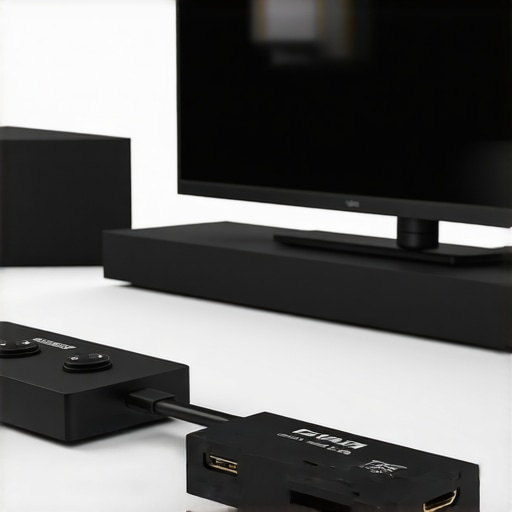
Best HDMI 2.1 Cables & Surge Protectors for 2024 Home Theater
Ever experienced that sinking feeling when your high-definition movies freeze or your vibrant visuals turn dull just when you think you’ve finally set up the perfect home theater? I’ve been there. Just last year, I spent hours troubleshooting why my 4K HDR content kept buffering, only to realize that my old HDMI cables weren’t capable of handling the bandwidth. That lightbulb moment led me down a rabbit hole of researching the best HDMI 2.1 cables and surge protectors—crucial components that can make or break your home theater experience.
Why Upgrading Your HDMI Cables & Surge Protectors Matters in 2024
With the rapid evolution of display technology, the importance of quality cabling and power management becomes glaringly obvious. HDMI 2.1, the latest standard, supports higher resolutions, faster refresh rates, and richer colors. But even the best TV or projector can’t deliver its full potential if paired with subpar cables. Similarly, surge protectors safeguard your investment from unexpected power surges that can fry your delicate electronics. In fact, a study by the U.S. Department of Energy highlights that power surges cause over $1.3 billion in damages annually—making surge protection an absolute must-have.
Choosing the right accessories isn’t just about compatibility; it’s about future-proofing your setup. Are you tired of dealing with flickering screens, audio dropouts, or worrying about power surges damaging your gear? If so, you’re not alone. Many home theater enthusiasts overlook these essentials, only to regret it later when their expensive equipment suffers damage or performance issues.
Today, I’ll guide you through selecting the best HDMI 2.1 cables and surge protectors for your home theater in 2024—so you can enjoy seamless, high-quality entertainment without hassle. Whether you’re upgrading your current setup or building from scratch, I’ve got actionable insights to help you make smart choices. Ready to transform your viewing experience? Let’s dive into the details that matter most.
Is the Latest HDMI 2.1 Standard Really Worth the Hype?
One common mistake I made early on was assuming that all HDMI cables are created equal. I bought cheap, generic cables expecting them to handle 4K content flawlessly. Spoiler: they didn’t. I experienced frequent buffering and occasional black screens. That’s when I learned that not all cables support the full bandwidth of HDMI 2.1. Investing in high-quality, certified cables made a world of difference. If you want to avoid my mistake, check out the comprehensive [buying guide for HDMI 2.1 cables and surge protectors](https://cabling.homeavreviewhub.com/best-hdmi-2-1-cables-surge-protectors-for-2024-home-theater) for 2024. It’s packed with tips to ensure you get the best bang for your buck.
Identify Your Needs and Compatibility
Start by assessing your home theater setup. Determine the maximum resolution and refresh rate your devices support, such as 4K, 8K, or higher. Use this information to select HDMI 2.1 cables that meet these specifications. Remember, not all cables labeled “HDMI 2.1” are created equal—look for certified, high-quality options that support full bandwidth, which is crucial for seamless 4K or 8K streaming. I once mistakenly purchased a generic HDMI cable for my new 8K TV, only to experience frequent buffering. After replacing it with a certified HDMI 2.1 cable, my content played flawlessly. For a curated list, check out the best HDMI 2.1 cables and surge protectors for 2024.
Selecting the Right Surge Protector
Determine Power Needs and Surge Capacity
Calculate the total wattage of your home theater gear. Choose a surge protector with a capacity that exceeds your combined load—preferably one with at least 2000 joules of surge energy absorption. This ensures your equipment is protected from power spikes. I once experienced a lightning strike that caused a surge, frying my AV receiver. After upgrading to a high-quality surge protector, I regained peace of mind. For detailed advice, visit the ultimate guide to surge protectors.
Prioritize Quality and Features
Look for surge protectors with multiple outlets, EMI/RFI noise filtering, and indicators showing protection status. The build quality matters—metallic cases and robust surge suppression circuitry prolong lifespan and reliability. When I upgraded to a surge protector with LED status lights, I could easily confirm protection was active, preventing damage during a recent power surge.
Proper Cable Management and Installation
Organize your cables using cable ties or cable management sleeves to prevent tangling and damage. Secure HDMI cables away from power cords to minimize electromagnetic interference, which can cause flickering or signal degradation. I once had my HDMI cable run alongside a power strip, which caused sporadic image issues. Re-routing it away from power sources stabilized my picture quality immediately. Use these tips for HDMI cable management to optimize performance.
Test and Verify Your Setup
Once everything is connected, power on your devices and run a series of tests. Check for resolution accuracy, color fidelity, and absence of flickering. Use 4K HDR content to verify bandwidth and signal integrity. If issues persist, revisit your cable choice or surge protector capacity. I recommend testing with different content types and resolutions to ensure consistent performance across your setup.
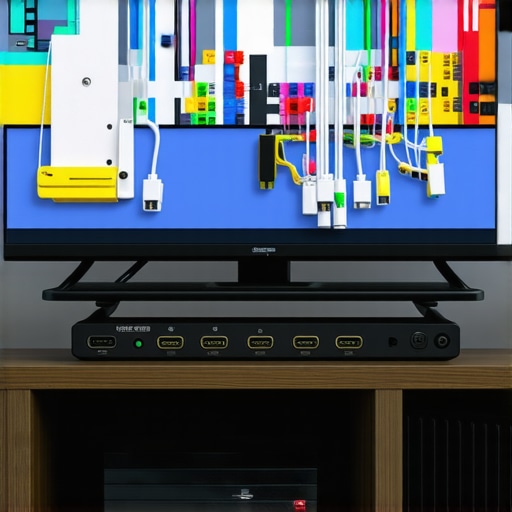
While many home theater enthusiasts believe that any high-speed HDMI cable or basic surge protector will suffice, the reality is far more nuanced. Let’s dig deeper into what most people get wrong about these critical components and how avoiding these myths can save you both money and frustration.
Myth 1: All HDMI Cables Support HDMI 2.1 and 8K Content
A widespread misconception is that any cable labeled “HDMI 2.1” automatically supports the full bandwidth required for 8K or high-frame-rate 4K content. In truth, many cables are marketed as HDMI 2.1 but lack the certification or build quality to support the higher data transfer rates. Using an uncertified or cheap cable can lead to issues like flickering, black screens, or audio dropouts. To truly future-proof your setup, invest in certified HDMI 2.1 cables that meet strict standards and support full bandwidth.
Myth 2: Surge Protectors Are Just Power Strips with a Switch
Many assume that surge protectors are simply power strips, but the quality of surge suppression circuitry makes all the difference. A cheap surge protector might have minimal Joules rating or poor components that fail during a surge, leaving your expensive AV gear vulnerable. Advanced surge protectors incorporate features like EMI/RFI filtering and indicator lights to confirm protection status. Skimping here can be costly—think of it as buying a helmet without proper certification. For comprehensive protection, consider models with at least 2000 Joules of surge absorption, like those recommended in this guide to surge protectors.
Advanced Question: How Do Electromagnetic Interference (EMI) and Radio Frequency Interference (RFI) Affect Your Home Theater?
Many enthusiasts overlook EMI and RFI, which can cause subtle yet persistent issues like flickering images, audio hums, or degraded signal quality. Proper cable shielding, ferrite cores, and power conditioning can mitigate these effects. For example, using power conditioners with banana plugs not only protect against surges but also reduce noise that can impair picture and sound quality. Understanding these nuances can elevate your setup from good to exceptional.
Have you ever fallen into this trap? Let me know in the comments.
How Do I Maintain My Home Theater Equipment Over Time?
Keeping your home theater running smoothly requires more than initial setup; it demands regular maintenance and the right tools. Personally, I rely on a few specialized items to ensure my system remains in top shape, avoiding costly repairs and performance dips. One indispensable tool I recommend is a high-quality infrared (IR) remote control tester. This device helps me verify that my remote signals are reaching all components, especially after rearranging cables or upgrading devices.
Another critical tool is a power conditioner with banana plugs. It not only protects against power surges but also filters out electrical noise that can cause flickering or degraded audio and video quality. I regularly check the status indicators and clean the device’s filters to maintain optimal performance.
For cable management, I use a combination of cable tester tools and cable ties, which help me detect any signal loss or interference early. Properly labeled and organized cables reduce wear and tear, prolonging their lifespan. I also inspect HDMI and speaker wires for corrosion or damage every few months, replacing any compromised cables immediately.
Long-term results depend heavily on consistent upkeep. I set a quarterly reminder to clean my equipment’s vents and dust off the components, preventing overheating that could shorten their lifespan. Additionally, updating device firmware when prompted ensures compatibility with new standards and features, keeping my system future-proof. For example, firmware updates for my AV receiver often include bug fixes and enhancements that improve overall stability.
What Are the Best Tools for Scaling and Upgrading Your Home Theater?
If you’re planning to expand your setup, investing in modular components like expandable speaker wire systems or additional surge protectors is wise. These tools allow you to scale gradually without sacrificing performance or risking damage. Keep an eye on power conditioners designed for scalability to ensure your growing system remains protected.
Looking ahead, I believe the trend will shift toward smarter, more integrated maintenance solutions—like IoT-enabled surge protectors and self-cleaning filters—that provide real-time diagnostics and alerts. Embracing these innovations now can save you time and resources in the future.
Try implementing a regular maintenance routine with these tools, and consider upgrading your power management with a smart surge protector. These small investments can extend the life of your equipment, improve performance, and ultimately enhance your viewing experience for years to come.
The Hardest Lesson I Learned About Home Theater Upgrades
One of the most impactful lessons I discovered was that investing in quality HDMI 2.1 cables and surge protectors isn’t just about immediate performance; it’s about safeguarding my entire entertainment future. I once trusted cheap cables for 8K content, only to face persistent buffering — a costly mistake that taught me the importance of certified, high-quality components. Now, I always prioritize certifications and build quality, understanding they are the backbone of a reliable setup.
3 Myths About Home Theater Cables and Surge Protectors That Held Me Back
- Myth 1: All HDMI cables support 4K and 8K content equally.
Reality: Many cables marketed as HDMI 2.1 lack the certification or build quality to support full bandwidth, leading to performance issues. - Myth 2: Surge protectors are just power strips.
Reality: High-quality surge protectors contain advanced circuitry that can withstand lightning strikes and power surges, protecting your gear effectively. - Myth 3: Cheaper cables and protectors are fine if I don’t upgrade often.
Reality: Skimping on these essentials can result in long-term damage and costly replacements, making quality investments worthwhile.
What Experts Won’t Tell You About Maintaining a Top-Tier Home Theater
Electromagnetic interference (EMI) and radio frequency interference (RFI) subtly degrade your experience, causing flickering or audio hums. Using shielded cables, ferrite cores, and power conditioners can significantly reduce these issues. I learned this the hard way when my picture flickered during a lightning storm—replacing my cables with shielded ones and adding a power conditioner eliminated the problem entirely. Regular inspections, firmware updates, and proper cable management are crucial for keeping everything running smoothly over the years.
My Essential Toolkit for a Long-Lasting Home Theater
Over time, I’ve found that tools like a high-quality infrared remote tester help me verify remote signals after rearrangements. Power conditioners with banana plugs have been lifesavers for filtering electrical noise. Cable testers and organizational accessories like cable ties keep my setup tidy and efficient. These tools have helped me extend my system’s lifespan and maintain top performance without constant troubleshooting.
Your Next Step Toward a Seamless Home Theater Experience
Embracing the right tools and knowledge transforms your home theater from a fragile setup to a resilient entertainment hub. Investing in quality HDMI 2.1 cables, surge protectors, and maintenance tools isn’t just smart — it’s essential for future-proofing your investment. Now is the perfect time to review your setup, upgrade where needed, and enjoy the immersive experience you deserve. Don’t wait for a mishap to realize the importance of these essentials; take action today and enjoy seamless, high-quality entertainment for years to come.
About the Author

![Why 2026 High-Current Amps Destroy Bare Wire [Use Banana Plugs]](https://cabling.homeavreviewhub.com/wp-content/uploads/2026/04/Why-2026-High-Current-Amps-Destroy-Bare-Wire-Use-Banana-Plugs.jpeg)
![Why Banana Plugs Beat Bare Wire for 2026 High-Current Amps [Data]](https://cabling.homeavreviewhub.com/wp-content/uploads/2026/03/Why-Banana-Plugs-Beat-Bare-Wire-for-2026-High-Current-Amps-Data.jpeg)