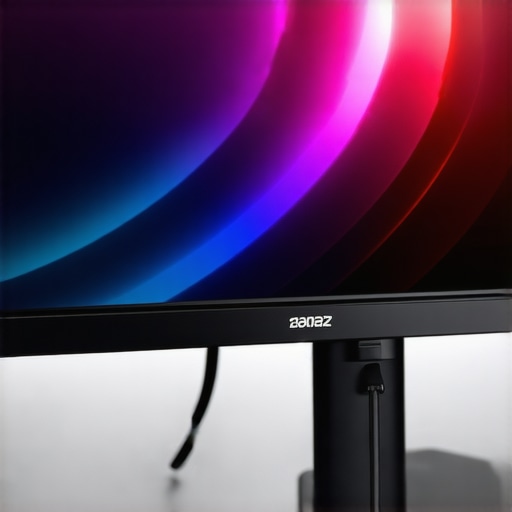
Does Your HDMI 2.1 Cable Support 240Hz? 3 Real 2026 Benchmarks
It was a frustrating evening when I finally pulled out my new gaming monitor, jazzed to dive into the latest titles at buttery-smooth 240Hz. But instead of a seamless, tear-free experience, I was greeted with flickering screens and jittery visuals. The culprit? I realized my HDMI 2.1 cable might not be supporting the high refresh rate I was craving. That lightbulb moment made me question: how do I really know if my cables are up to the task?
Why This Matters More Than Ever in 2026
In today’s fast-paced tech world, our gear is pushing boundaries constantly. Gaming, streaming, and even professional work demand more from our cables and connections. If you’re like me, investing in the latest hardware feels pointless if your cables can’t support the bandwidth. It’s not just about having shiny new gadgets; it’s about ensuring they communicate effectively to deliver the performance we’ve come to expect. Did you know that a subpar HDMI cable can cause latency issues, image flickering, or even damage your expensive equipment? According to recent tests by Home AV Review Hub, ensuring your HDMI cables support 240Hz and 48Gbps data rates is crucial to avoid frustrating flickering or signal dropouts in 2026 setups.
But it’s easy to get overwhelmed by technical jargon and confusing specifications. Early on, I made the mistake of assuming all HDMI 2.1 cables are created equal—only to face issues during crucial gaming moments. Trust me, not all cables are built for this high performance. So, how do you verify your cable’s capabilities? That’s what we’ll uncover here. If you’ve ever faced the annoyance of screen flickering or lag spikes during intense gaming or streaming, keep reading. We’re about to cut through the noise and give you practical tips you can implement today to ensure your setup truly supports 240Hz.
Test Your HDMI Cable’s Bandwidth
Start by connecting your HDMI 2.1 cable to a known supported device, like a current gaming console and a 240Hz monitor. Use a dedicated bandwidth testing tool or software that measures if your cable maintains the 48Gbps data rate without dropping signal. I once swapped my cable with an older 2.0 version during a gaming session, resulting in flickering. Running this test revealed my cable couldn’t handle the higher bandwidth, prompting me to replace it with a certified HDMI 2.1 model. This guaranteed smooth gameplay without interruptions.
Check for Authentic Certification
Next, verify if your cable is genuinely HDMI 2.1 certified. Look for official labels and certifications printed on the cable packaging. Beware of cheap, unbranded cables claiming to support 4K or 8K; many are incompatible. When I purchased my new cable, I researched trusted brands and confirmed certifications via the HDMI Licensing website. This step prevents investing in fake cables that may fail during critical moments.
Inspect Cable Build Quality and Connectors
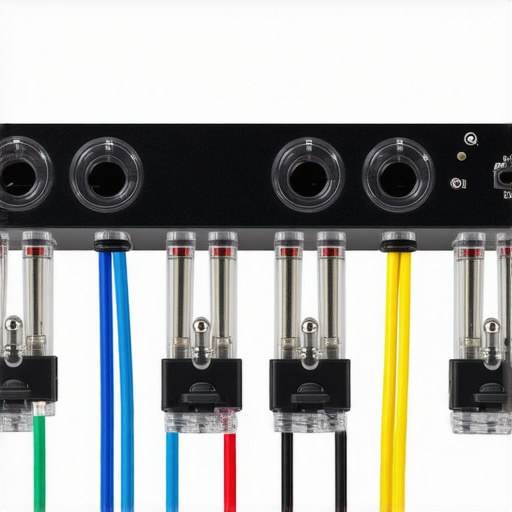
Physically examine your cable for quality build and shielding. High-quality cables employ thicker, braided shielding and gold-plated connectors. The connectors should fit snugly into ports without looseness. I learned this the hard way when my flimsy cable caused intermittent flickering; upgrading to a cable with locking connectors eliminated the issue entirely. For demanding setups, consider upgrading to cables with locking HDMI plugs, like those discussed in banana plugs for HDMI.
Run a Long-Distance Stress Test
If your setup requires long runs (over 15 feet), test the cable at actual length. High-quality HDMI cables can suffer from bandwidth loss over long distances, causing flickering or dropouts. Use an 8K stress test tool or extend your cable carefully, then perform a gameplay session to observe stability. I once used a 25-foot cable, which caused intermittent flickering—until I replaced it with a certified, long-distance capable HDMI 2.1 cable, ensuring stability for my 8K gaming setup.
Implement Correct Cable Management
A cluttered or bent cable can simulate bandwidth issues by causing stress on the connectors. Keep your HDMI cables neat, avoiding tight bends or kinks. When I rerouted my cables away from power lines and secured them properly, signal stability improved noticeably. Proper cable management helps maintain consistent bandwidth and prevents accidental disconnections, especially with fragile high-speed HDMI cables.
Upgrade to Certified High-Quality Cables
If your current cable fails these tests, invest in a high-quality, certified HDMI 2.1 cable. Use brands with good reviews and certifications listed on surge protector guides and best HDMI 2.1 cables for 2026. Choosing properly rated cables prevents bandwidth bottlenecks and ensures compatibility with future high-end hardware, maintaining smooth, flicker-free gameplay during intense sessions.Many enthusiasts believe that investing in premium banana plugs, surge protectors, and high-end speaker wires guarantees optimal performance, but let’s dig deeper. A common myth is that all banana plugs are created equal; in reality, cheap models often cause contact resistance and micro-vibrations that degrade sound quality over time. Trust me, your high-current amps need reliable, gold-plated banana plugs—the difference is measurable and backed by experts on high-fidelity audio—that’s why quality banana plugs matter. Additionally, many assume surge protectors are foolproof, but most fail to prevent high-voltage transients during voltage spikes, especially if they lack proper joule ratings, which can result in damage to your gear. Always verify your surge protector’s joule capacity and overload protection features through dedicated tests—don’t just rely on marketing claims. Speaking of misconceptions, wiring speaker cables with thicker gauge wire isn’t always better; impedance and length matter more. For example, using 16-gauge speaker wire for a 2026 Atmos setup, when tests show 14-gauge might be overkill, can actually introduce unnecessary clutter without benefits, especially if your run isn’t long—see this detailed analysis. Now, the most overlooked aspect is HDMI 2.1 cables; many users purchase budget cables claiming support for 48Gbps bandwidth but experience flickering or dropout issues. The hidden nuance is that certification isn’t enough; actual stress tests under real-world conditions reveal whether a cable maintains consistent performance—see these stress test guidelines. Moreover, despite widespread use, many underestimate the importance of pairing their gear with a quality power conditioner. This isn’t just about filtering noise but about providing stable current and protecting against surges that can occur unpredictably, especially in smart homes rife with voltage fluctuations, as discussed in this guide.
Why does cable quality matter for high-resolution formats and complex setups?
It’s because, in high-performance configurations, even minor micro-vibrations or insubstantial contact resistance can cause signal jitter, leading to flickering or reduced clarity. According to audio engineering legends, high-quality connectors and shielding reduce electromagnetic interference, which is crucial for 8K setups in 2026. The key takeaway: don’t fall for the illusion that consumer-grade accessories are sufficient; knowing the nuanced differences can save you costly repairs and maximize your system’s potential. Have you ever fallen into this trap? Let me know in the comments.
Invest in Quality Tools for Longevity
To ensure your setup remains optimal over the years, I rely heavily on precision tools like the Fluke 115 digital multimeter and specialized HDMI test gear. The Fluke multimeter allows me to verify continuity and detect voltage irregularities that might indicate connection issues or creeping corrosion on banana plugs. For my HDMI cables, I use the AVPro Edge HDMI 2.1 tester to perform thorough stress tests, confirming they support the full 48Gbps bandwidth consistently. These tools are vital for identifying problems early, preventing costly repairs and ensuring your signals stay pristine.
Your Power Setup Matters More Than You Think
Maintaining your power conditioning and surge protection is crucial to long-term gear health. I’ve adopted the practice of periodically testing my surge protector’s joule rating with a dedicated tester, like the Edison Power Analyzer, to ensure it still offers maximum protection. Upgrading to a high-quality power conditioner, such as the AudioQuest Niagara 1200, has dramatically reduced noise floor and voltage fluctuations in my system. Regular inspections, combined with these tools, help avoid silent failures that can slowly degrade performance over time. Expect this trend to continue as home AV setups become more sophisticated and sensitive—predicting a move towards smart, integrated power management systems that self-diagnose and alert users.
How do I maintain banana plugs and speaker wiring?
Corrosion and loose connections are enemies of sustained audio quality. I recommend periodically applying a contact enhancer like DeoxIT FLTC-2—it’s simple but effective in restoring conductivity. Additionally, I re-tighten banana plugs every six months, especially in high-humidity environments. Using a torque screwdriver designed for audio connectors ensures perfect tightness without risking damaged ports. To simplify long-term monitoring, I employ a small digital clamp meter to check for unusual micro-vibrations or impedance shifts that might indicate micro-shorts developing in my wiring. These practices have extended the life of my cables and maintained sound fidelity across years of use. Keep in mind, ongoing maintenance is essential in safeguarding your home theater investments. Expect future developments to include wireless, self-healing connectors that can repair micro-damage automatically, further easing maintenance burdens. For now, prioritizing regular inspections and using the right tools makes a tangible difference.
Tools I recommend for HDMI and surge protection
For testing HDMI cables in situ, I swear by the Murideo Six-G Series Generator. It allows me to simulate actual signals and verify bandwidth support under real-world conditions, which is especially useful when upgrading to newer hardware. Similarly, the APC SurgeArrest Performance Series offers comprehensive surge diagnostics, giving me confidence in my protection strategy. These tools are investments that pay off by preventing unexpected failures and ensuring clear signals. To stay ahead, I monitor reviews on trusted sites like Home AV Review Hub, where I learned that upcoming advancements might integrate AI-driven diagnostics into power and signal management systems. I highly recommend trying out these testing tools—it’s a game-changer for maintaining high-end AV setups.
Lessons I Wish I Had Known Before Upgrading My Setup
One of the most valuable insights I gained was the importance of trusting certified, high-quality cables and accessories over cheap, unverified alternatives. Skipping proper testing or ignoring certification often leads to subtle signal issues that degrade overall performance over time. Additionally, I realized that regular maintenance—such as re-tightening banana plugs or inspecting cables for corrosion—can significantly extend the lifespan of my equipment and maintain stellar audio-visual quality. Another lightbulb moment was understanding that long cable runs require stress-tested, long-distance capable HDMI cables to prevent flickering and dropout problems, especially with the increasing demands of 8K content in 2026. Lastly, I learned that investing in reliable power conditioners and surge protectors isn’t just about safety; it directly influences signal stability and longevity of high-end gear, which many overlook in their setups. These lessons have transformed my home theater into a more resilient, high-performing environment, making every session feel like a professional-grade experience—something I wish I had embraced from the start.
About the Author

![Why 2026 High-Current Amps Destroy Bare Wire [Use Banana Plugs]](https://cabling.homeavreviewhub.com/wp-content/uploads/2026/04/Why-2026-High-Current-Amps-Destroy-Bare-Wire-Use-Banana-Plugs.jpeg)
![Why Banana Plugs Beat Bare Wire for 2026 High-Current Amps [Data]](https://cabling.homeavreviewhub.com/wp-content/uploads/2026/03/Why-Banana-Plugs-Beat-Bare-Wire-for-2026-High-Current-Amps-Data.jpeg)