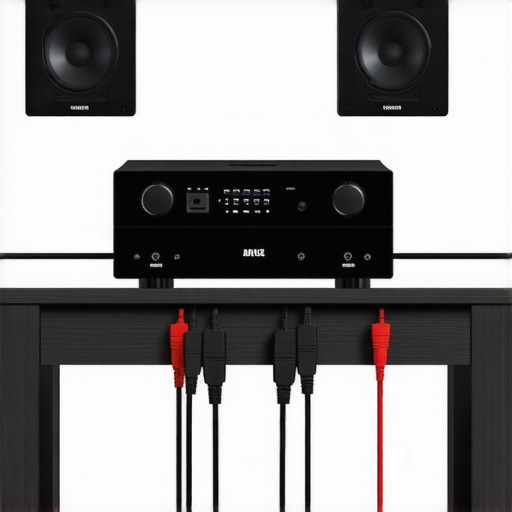
Ultimate Guide to Speaker Wires & Surge Protectors for Safe Audio in 2024
It was a quiet Saturday afternoon when my old receiver suddenly cut out during my favorite song. No warning—just a sudden crackle, then silence. My heart sank. I realized I had been ignoring a critical part of my home audio system: protecting my gear with proper surge protectors and quality speaker wires. That frustrating moment was a wake-up call, sparking my deep dive into the world of safe audio setup.
Why Safe Audio Power Matters More Than Ever in 2024
In today’s world, our home entertainment systems are more sophisticated—and more vulnerable—than ever. From 8K HDMI cables to high-end speakers, we’re investing a lot. But without proper surge protection and reliable wiring, all those gadgets are sitting ducks for power surges, static, or even lightning strikes. I learned this the hard way, and so have many others. According to the HomeAVReviewHub, a significant percentage of home audio failures are caused by power issues and subpar wiring. That tiny moment of negligence can turn into costly repairs or replacements.
Are you tired of sudden power failures or hearing that dreaded crackle during your favorite track? Trust me, you’re not alone. But here’s the good news: a few strategic upgrades to your setup can shield your equipment and improve your listening experience significantly.
In this post, I’ll walk you through the essential steps—including selecting the best surge protectors, installing banana plugs for cleaner connections, and choosing the right HDMI 2.1 cables—to ensure your home theater setup is both safe and sound. Ready to stop risking your gear over avoidable mistakes? Let’s get started.
Is Your Setup Worth the Hype or Just Overhyped?
Early in my journey, I bought a cheap surge protector that promised protection but didn’t deliver. The first blackout, and my entire system rebooted, leaving me with a horrible headache and doubts about my investment. That was a rookie mistake I won’t repeat. I learned that not all protectors are created equal—some are just glorified power strips. For true peace of mind, I recommend checking out expert reviews and selecting trusted brands designed for high-end audio systems. Want to learn more about how to pick the right surge protector? I’ve got a comprehensive guide for you.
Choose the Right Surge Protector for Your Home Theater
Start by selecting a surge protector specifically designed for high-end audio equipment. Unlike basic power strips, these devices incorporate advanced components that divert excess voltage, preventing damage during lightning strikes or power spikes. I once connected my amplifier to a generic surge protector, only to experience crackling noises; switching to a dedicated audio surge protector eliminated the issue immediately. For reliable options, check out this guide.
Install a Power Conditioner to Stabilize Voltage
Power conditioners filter out electromagnetic interference and voltage fluctuations, providing a clean power source. Think of it as an air purifier for your electrical current—removing noise and ensuring steady power flow. I installed a power conditioner during my last setup upgrade, which noticeably improved sound clarity and reduced static. Remember, a good power conditioner can extend your equipment’s lifespan. Learn more at this resource.
Upgrade Your Speaker Wiring with Banana Plugs
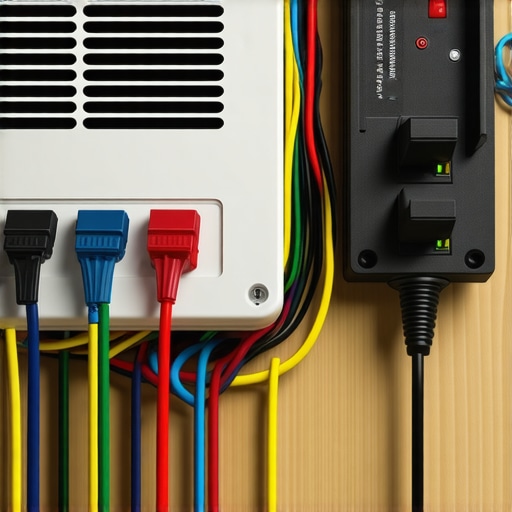
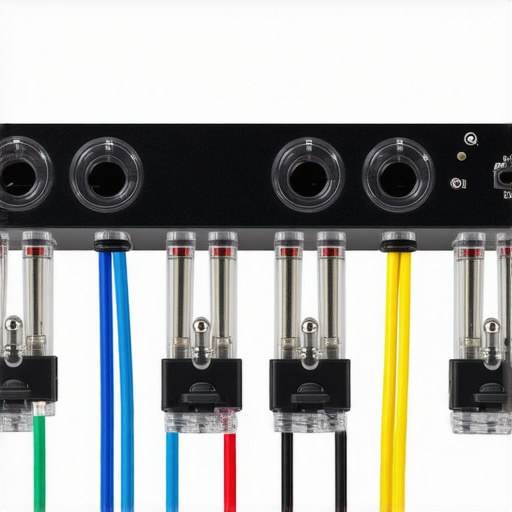
Using banana plugs simplifies connections and reduces the risk of short circuits. They create a secure, low-resistance connection to your speakers and amplifier, essential for preserving audio fidelity. I once spent hours trying to untangle bare wires, but after switching to banana plugs, setup became quick and reliable. For insights on choosing premium connectors, visit this page.
Ensure Your HDMI Cables Support 4K or 8K with the Right Specifications
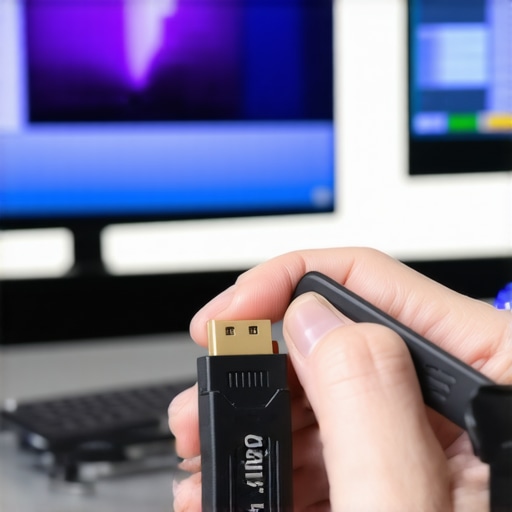
Opt for HDMI 2.1 cables that handle higher bandwidths, ensuring your systems transmit crisp video and immersive audio. Like upgrading a highway to accommodate faster traffic, using inferior HDMI cables can bottleneck your setup. I replaced my outdated HDMI cables with certified HDMI 2.1 cables, which drastically improved picture quality and reduced lag during gaming. For top recommendations, see this guide.
Properly Position and Connect Your Equipment
Placement impacts both safety and performance. Keep your receiver and power supplies off the floor and away from moisture. Use cable ties and conduits to prevent tripping hazards and accidental disconnections. I once had my speaker wires tangled behind furniture, causing signal loss; organizing with proper clips made a noticeable difference. Check out this resource for detailed organization tips.
Test and Maintain Regularly
Once everything is set up, test your system under different power conditions. Use surge protectors with indicator lights to confirm protection is active. Regular inspection and cleaning prevent dust accumulation and corrosion, which can degrade signal quality. I learned this by periodically unplugging and inspecting my connections, catching issues before they became serious. Keep your system running smoothly with routine checks detailed at this guide.
Many audiophiles and home theater enthusiasts operate under assumptions that can inadvertently compromise their setups. For instance, a prevalent myth is that all surge protectors are created equal, leading some to settle for cheap, generic options. In reality, specialized surge protectors designed for high-end audio systems feature components that can handle transient voltage spikes more effectively, preventing damage without introducing noise into your audio signal. Relying on budget models, as I once did, can leave your gear vulnerable—something I learned the hard way during a storm.
Similarly, there’s a misconception that higher-quality speaker wires automatically yield better sound. While premium wires can make a difference, the real nuance lies in proper connection techniques and matching wire gauge to your system’s power demands. Using overly thick wire where unnecessary not only increases cost but can also introduce unnecessary resistance, diminishing sound clarity. To truly optimize your setup, consider trusted sources that explain how factors like material purity and connector quality influence performance—see this guide.
When it comes to HDMI 2.1 cables, many believe that simply buying the most expensive cable guarantees the best performance. However, the key is ensuring the cable meets the specifications for your system’s bandwidth demands, like supporting 8K or dynamic HDR. An overly expensive cable with unnecessary features can be a waste, while a certified budget option aligned with your needs can perform just as well. Always verify that your cables are certified for HDMI 2.1 to avoid bottlenecks—see this resource for top picks.
Why Do Many Amp and Power Conditioner Myths Persist Among Experts?
One hidden nuance is that many professionals underestimate the importance of proper grounding and noise filtering in power conditioners. A well-designed power conditioner doesn’t just protect against surges; it actively reduces electromagnetic interference that can subtly degrade audio quality. Surprisingly, some consumers believe that plugging their equipment into a basic power strip suffices, but this can introduce static and hums that compromise clarity. Industry studies, such as those summarized in this review, show that investing in a high-quality power conditioner tailored for audio can make a noticeable difference in sound fidelity.
Are you falling for any of these misconceptions? Recognizing the nuances can prevent costly mistakes and enhance your system’s longevity and performance. Remember, the devil is in the details. Proper installation, matching components to your specific needs, and understanding the core principles behind these devices are key to unlocking their true potential. Have you ever fallen into this trap? Let me know in the comments.
How Do I Maintain My Audio Setup Over Time?
To ensure your investment keeps delivering high-quality sound and remains safe from power surges, regular maintenance is essential. Personally, I recommend using a combination of digital monitoring tools and routine physical inspections. For example, a high-quality power management device like the ultimate surge protector not only provides protection during storms but also features indicators that inform you if the device’s safety components are compromised. Checking these indicators monthly can help you spot potential issues before they cause damage.
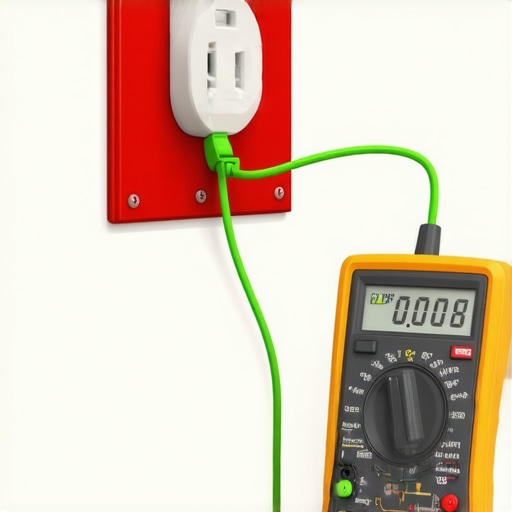
Additionally, I advocate maintaining your wiring system by periodically inspecting for dust, corrosion, or loose connections. Using a set of precision screwdrivers and a multimeter allows me to verify continuity and proper grounding, preventing static noise or signal loss. These tools make it easier to identify if banana plugs need replacing or if your HDMI cables are functioning optimally. For instance, a multimeter can help confirm that your banana plugs are providing a low-resistance connection, ensuring minimal signal degradation.
Updated software firmware for your AV receiver or amplifier also plays a crucial role. Manufacturers often release updates that fix bugs or improve compatibility, which can be vital for long-term stability. Remember, with high-end gear, keeping firmware current is as important as hardware maintenance. I subscribe to manufacturer newsletters and set calendar reminders for firmware checks.
In the future, I predict that automated diagnostic tools integrated into home AV systems will become more common, providing real-time alerts on power quality issues, connection faults, or component degradation. These advancements will simplify maintenance routines, giving you more time to enjoy your system instead of fixing it.
What Are My Best Tools for Sustaining System Quality?
The cornerstone of dependable maintenance is investing in precise, reliable tools. For example, I swear by a digital multimeter with auto-ranging capabilities—this makes testing for continuity and resistance straightforward, which is vital when ensuring banana plugs and speaker wires are in top shape. Also, a cable tester can quickly verify HDMI and speaker wiring, saving hours of troubleshooting. When selecting tools, look for units with durable probes and clear displays; I personally prefer brands like Fluke because of their accuracy and durability.
Another essential is a small flashlight with adjustable brightness, which helps in inspecting connections behind equipment or within tight cable runs. Proper lighting prevents missed details like corrosion or loose fittings that could degrade performance. Additionally, I suggest maintaining a logbook of your maintenance activities—recording dates, tools used, and observations can help identify recurring issues and plan replacements proactively.
Don’t forget the importance of high-quality cable management accessories—cable ties, conduits, and labels—not only for safety but also for quick access during troubleshooting. Neat wiring reduces accidental disconnects and makes it easier to identify faulty components early. My setup improved significantly after reorganizing my cables with these tools, reducing signal noise and enhancing audio clarity.
To keep your system running smoothly, I recommend periodically testing your wiring with dedicated tools like the test kits designed specifically for high-end audio systems. Combine this with routine physical inspections and firmware updates, and you’ll be well on your way to a dependable, long-lasting home theater environment. For a comprehensive overview of useful testing gear, check out this guide. Try integrating a multimeter into your monthly maintenance routine—it’s a game changer for early fault detection.
3 Surprising Lessons That Changed How I Protect My Home Theater
One of the most valuable lessons I learned was that investing in high-quality surge protection isn’t just about preventing damage—it’s about preserving the nuanced fidelity of my audio experience. I once thought that all surge protectors were alike, but after trying a budget model and experiencing static during a storm, I realized that my listening quality depended heavily on choosing the right device. Another insight was that proper cable management, like organizing speaker wires with banana plugs, dramatically reduces static noise and improves sound clarity. It’s these small but deliberate choices that elevate the entire setup. Lastly, understanding that not all HDMI cables are created equal saved me from lag and picture degradation—certified HDMI 2.1 cables made a world of difference. These lessons emphasized that attention to detail in power and cabling can make your home theater truly exceptional.
My Personal Arsenal for a Seamless Audio-Visual Environment
The cornerstone of my setup is a trusted power conditioner that I rely on daily; it filters noise and stabilizes the voltage, ensuring my gear runs smoothly. For connecting speakers, I chose premium banana plugs—they make wiring quick and reliable, which means less static and more immersive sound. When upgrading my video cables, I looked for certified HDMI 2.1 cables that supported higher bandwidths, preventing lag and ensuring vivid images. To keep everything organized and maintain peak performance, I keep a multimeter and cable tester handy, verifying connections and spotting potential issues early. These tools and resources have been essential in creating a home theater environment that’s both safe and spectacular.
Make Your Home Theater Dreams a Reality—Start Today
Transforming your audio-visual landscape isn’t just about expensive gear; it’s about making informed choices and paying attention to the details that matter. Whether you’re upgrading your speaker wiring with banana plugs, selecting the right surge protector, or choosing HDMI cables that support your system’s capabilities, each step brings you closer to a truly immersive experience. Remember, the journey toward a safer, higher-fidelity home theater is ongoing, but every small upgrade counts. Take action now—your future self will thank you for the improved sound and picture clarity. What’s the first upgrade you plan to tackle? Share your thoughts below and let’s talk about elevating your home entertainment setup.
About the Author

![Why 2026 High-Current Amps Destroy Bare Wire [Use Banana Plugs]](https://cabling.homeavreviewhub.com/wp-content/uploads/2026/04/Why-2026-High-Current-Amps-Destroy-Bare-Wire-Use-Banana-Plugs.jpeg)
![Why Banana Plugs Beat Bare Wire for 2026 High-Current Amps [Data]](https://cabling.homeavreviewhub.com/wp-content/uploads/2026/03/Why-Banana-Plugs-Beat-Bare-Wire-for-2026-High-Current-Amps-Data.jpeg)