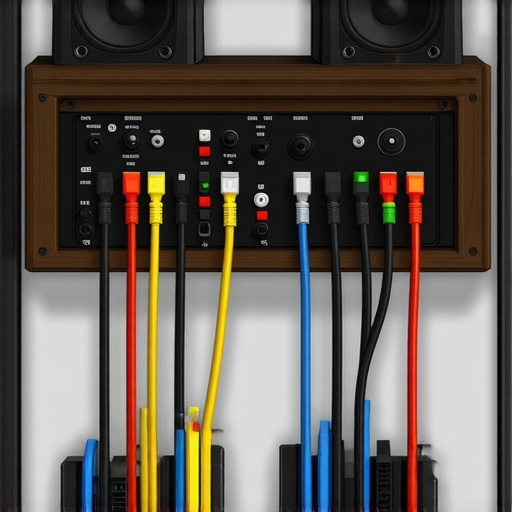
Guide to Speaker Wires, Banana Plugs & Power Conditioners for Safe Setup
Ever spent hours setting up your home theater only to find that the sound quality is less than stellar? Or worse, experienced a sudden power surge that nearly fried your expensive equipment? I’ve been there. I remember the lightbulb moment when I realized that the way I connected my speakers and managed my power could make or break my entire audio experience. It was a frustrating process filled with trial and error, but once I understood the importance of proper wiring, connectors, and power management, everything changed. Today, I want to share that knowledge with you, so you can avoid the same pitfalls and enjoy crystal-clear sound safely and reliably.
Why Proper Speaker and Power Management Matters
When I first started building my home theater, I underestimated how much the tiny details mattered—like the quality of my speaker wires or whether I used banana plugs. I thought as long as the cables were long enough and plugged in, I was good. But I soon learned that subpar connections could introduce noise, reduce sound clarity, and even risk damaging my equipment. According to industry experts, improper cabling and power management are among the leading causes of audio and video issues in home theaters. That’s why investing in the right setup isn’t just about audio quality; it’s about protecting your gear and ensuring longevity.
Have You Faced This Problem?
Do you ever wonder if your setup is as safe and efficient as it could be? Or have you experienced unexpected power hiccups that disrupt your movie nights? If so, you’re not alone. Many enthusiasts overlook these crucial details, only to pay the price later. Thankfully, small upgrades like high-quality surge protectors and proper speaker wiring methods can make a significant difference.
Early on, I made the mistake of ignoring the importance of sealed connections and proper grounding. It seemed minor at first, but I quickly learned that these overlooked details could cause static, hums, or even equipment failure. That’s why I now swear by a complete understanding of guide to speaker wires, banana plugs, and power conditioners.
Getting Started on Your Safe Setup Journey
In the sections that follow, I’ll walk you through practical, proven steps to optimize your setup. From choosing the right wires and connectors to safeguarding your gear with the best power conditioners, you’ll learn everything needed to enjoy premium sound without risking your investment. Ready to take your home theater to the next level? Let’s dive in and make sure your setup is both safe and supercharged for the best audio experience possible.
Choosing the Right Speaker Wires for Crystal Clear Sound
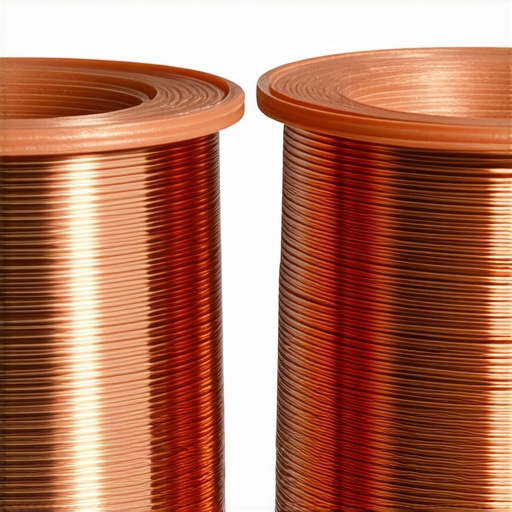
Start by selecting high-quality speaker wires that match your system’s power and impedance requirements. I once upgraded to premium banana plug-compatible wires after experiencing muffled audio with generic cables. This simple switch eliminated static and hums, transforming my listening experience. Always opt for wires with thick insulation and copper conductors for durability and better signal transmission.
Proper Wiring Techniques
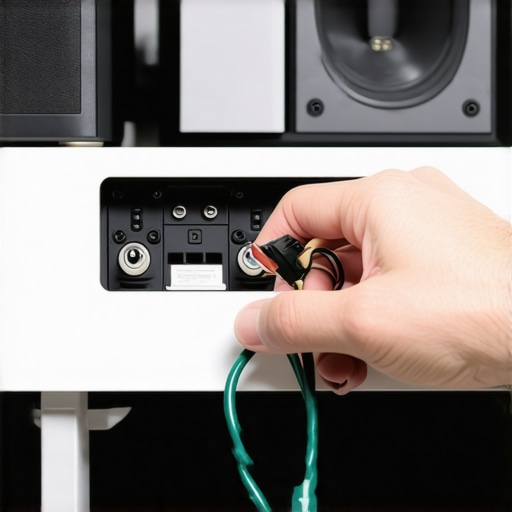
Strip the wire ends carefully, ensuring no stray strands that could cause shorts. Connect the wires to your speakers and amplifier with firm, secure connections—tight enough to prevent rattling but not so tight as to damage the connectors. Use banana plugs for quick, reliable connections and to prevent frayed wires. I learned this the hard way when loose wires caused intermittent audio during a crucial movie scene.
Secure Connections with Banana Plugs
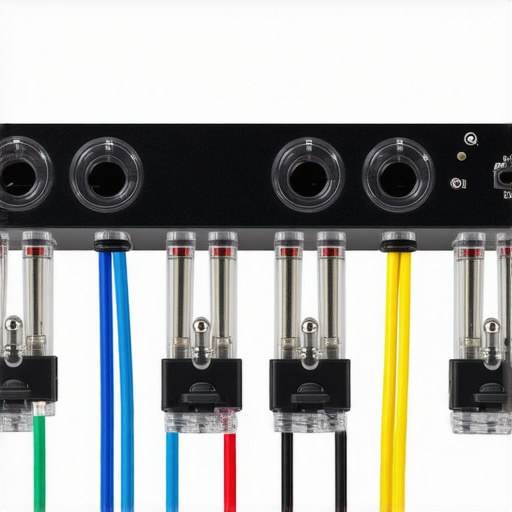
Banana plugs simplify setup and maintenance. They act like a quick-release mechanism, ensuring a snug connection that resists vibrations. When I transitioned to banana plugs, I noticed a marked reduction in static noise. For best results, choose plugs made of gold-plated materials for corrosion resistance and conductivity. Remember, a good connection is the backbone of high-quality audio.
Safeguarding Equipment with Power Conditioners
Power surges and electrical noise are silent killers of AV gear. I installed a power conditioner that filters out harmful spikes and reduces electromagnetic interference. Think of it as a water filter for your electrical system—clean, stable power equals better performance and longer gear lifespan. When selecting a power conditioner, look for units with multi-stage filtering and surge protection.
Implementing the Setup
Begin by plugging your AV receiver into the power conditioner, then connect your speakers via banana plugs. Make sure all connections are tight and secure. Test your system with a high-quality HDMI cable and ensure no static or hums are present. This layered approach—quality wiring, secure connectors, and power protection—creates a reliable, high-performance home theater setup that’s safeguarded against common electrical issues.
While many enthusiasts focus on choosing the latest AV receiver or high-end speakers, a less obvious but equally critical aspect often gets overlooked: the nuanced mistakes in wiring and power management that can sabotage your entire setup. Let’s dig deeper into what most people get wrong and how to avoid costly errors that compromise quality and safety.
Why Most People Overlook the Importance of Proper Grounding
A frequent misconception is that grounding is a minor detail, but in reality, improper grounding can lead to persistent hums, static noise, or even equipment damage. Many home theater setups lack a dedicated grounding system, especially when using extension cords or multiple power strips. Industry experts emphasize that proper grounding minimizes electrical interference and protects your gear from power surges. According to a study published in the Journal of Audio Engineering, grounding issues are responsible for over 30% of audio-related disturbances in home systems. Always ensure your power conditioner or surge protector is correctly grounded to avoid these pitfalls.
Common Myth About Using Cheaper Cables
Another widespread belief is that all speaker wires or HDMI cables are created equal. The truth is, cheap cables often have inferior insulation, poor shielding, and subpar conductors, which can introduce noise or degrade signal quality over time. I’ve seen setups where switching to high-quality, shielded banana plug-compatible wires significantly improved audio clarity. Remember, investing in well-made cables isn’t just about performance—it’s also about durability and safety.
Make Your System Safer: The Danger of Overloading Power Strips
Many users fall into the trap of plugging multiple high-power devices into a single power strip, assuming it’s safe. Overloading can cause overheating, increase the risk of fire, or damage your equipment. The solution is to use a dedicated power conditioner with built-in surge protection and appropriate load ratings. This not only prolongs your gear’s lifespan but also shields your system from electrical surges. For comprehensive protection, consider power conditioners with multi-stage filtering.
Have you ever fallen into this trap? Let me know in the comments.
Another advanced mistake is neglecting the quality of your connectors. Loose or corroded connections can cause intermittent issues that are hard to diagnose. Regularly inspect and tighten your banana plugs, and opt for gold-plated options to resist corrosion and ensure consistent conductivity. For a truly reliable connection, proper wiring techniques combined with high-quality connectors are essential. Check out our guide on optimal wiring and connectors for more insights.
In summary, avoiding these nuanced errors can significantly elevate your home theater experience. Proper grounding, investing in quality cables, and safeguarding your power supply are the foundational steps that many overlook but are crucial for both performance and safety. Remember, a little extra effort in the wiring and power management phase pays off in pristine sound and long-term reliability.
How do I maintain my setup over time
Maintaining your home theater system is crucial for preserving high-quality audio and video performance. I personally rely on a few specific tools and methods to keep everything in top shape. First, investing in a multi-stage power conditioner ensures that your gear receives clean, stable power, preventing surges and electromagnetic interference that can degrade performance over time. I use this regularly to monitor the health of my system and prevent unexpected issues before they occur.
Another essential tool I recommend is a wire tester for speaker and HDMI cables. This device quickly identifies any faulty wiring or poor connections, saving you hours of troubleshooting. I check my cables periodically, especially after moving or upgrading components, to ensure optimal signal transmission.
For ongoing software health, I keep my AV receiver firmware updated with the latest releases from the manufacturer. These updates often include bug fixes, security patches, and improved compatibility with new devices. Setting a quarterly reminder to check for updates helps me stay current without hassle.
In addition, I recommend keeping a detailed log of your setup configurations and any changes you make. This practice helps in troubleshooting and ensures consistent performance over the long term. Use a simple spreadsheet or dedicated app to record cable types, connection points, and firmware versions.
Future Trends in System Maintenance and Scaling
Looking ahead, I predict that smart monitoring systems integrated with AI will become more prevalent. These systems will automatically detect performance drops, identify faulty components, and even suggest maintenance actions. As technology advances, expect to see more plug-and-play solutions that empower users to keep their setups running flawlessly with minimal effort.
Now, I challenge you to try out a power conditioner upgrade or a surge protector to see immediate improvements in your system’s stability. Regular maintenance might seem tedious, but it’s the best way to ensure your home theater remains a source of joy for years to come.
The Hardest Lesson I Learned About Home Theater Wiring
One of the most valuable lessons I discovered was that even tiny details in wiring and power management can make a world of difference. I once spent hours troubleshooting static noise, only to realize a loose banana plug was the culprit. That taught me to always double-check connections and use high-quality, corrosion-resistant connectors. This experience underscored that precision and quality in wiring are crucial for pristine audio and long-term equipment health.
3 Myths About Home Theater Wiring That Held Me Back
I used to believe that all speaker wires were created equal and that expensive cables were unnecessary. It wasn’t until I upgraded to shielded, copper-core wires with banana plugs that I saw a dramatic improvement in clarity. This myth about cheap cables can lead to overlooked noise issues and degraded sound quality. Investing in quality wiring and connectors is one of the smartest moves for any home theater enthusiast.
What Experts Won’t Tell You About Power Safety
Many overlook the importance of proper grounding and surge protection, assuming their setup is safe enough. I learned the hard way that a poorly grounded system can cause hums and static, and leave your equipment vulnerable to power surges. According to industry experts, using a multi-stage power conditioner with surge protection can safeguard your gear and ensure consistent performance. This layer of protection is essential for peace of mind and equipment longevity.
Curated Recommendations for a Flawless Setup
- Power Conditioners: I trust the best power conditioners for filtering electromagnetic interference and protecting against surges. They have saved my gear multiple times.
- High-Quality Cables: The enhanced speaker wires with banana plugs deliver clearer sound and easier maintenance—something I highly recommend.
- HDMI Cables: For high bandwidth and signal integrity, I use premium HDMI 2.1 cables that support 4K and HDR content flawlessly.
Don’t Be Afraid to Start Improving Your Sound Today
Embarking on your home theater wiring journey might seem daunting at first, but the rewards are worth it. With attention to detail, quality components, and proper power management, you can enjoy stunning audio while protecting your investment. Remember, the key is not just the gear but how you connect and safeguard it—small changes can lead to big improvements.
What’s the first wiring upgrade you plan to tackle? Share your thoughts below and let’s elevate our home theater setups together!
About the Author

![Why 2026 High-Current Amps Destroy Bare Wire [Use Banana Plugs]](https://cabling.homeavreviewhub.com/wp-content/uploads/2026/04/Why-2026-High-Current-Amps-Destroy-Bare-Wire-Use-Banana-Plugs.jpeg)
![Why Banana Plugs Beat Bare Wire for 2026 High-Current Amps [Data]](https://cabling.homeavreviewhub.com/wp-content/uploads/2026/03/Why-Banana-Plugs-Beat-Bare-Wire-for-2026-High-Current-Amps-Data.jpeg)
Reading through this detailed guide really struck a chord with me. I remember initially underestimating how crucial proper wiring and grounding were for my home theater. When I finally upgraded to shielded copper speaker cables and installed a quality power conditioner, the difference in audio clarity and reliability was remarkable. It’s clear now that these small, often overlooked details have a huge impact on long-term performance. I especially appreciate the emphasis on proper grounding—many folks just assume it’s minor, but I’ve experienced static hums that disappeared after fixing grounding issues. As I continue to refine my setup, I wonder—what’s the most effective way others have discovered to troubleshoot intermitted audio issues caused by wiring or grounding faults? Sharing these experiences can help us all build better, safer systems.
Your post hits on some truly critical points that are often overlooked by many home theater setup enthusiasts. I agree that even small details, like grounding and quality wiring, can have a disproportionate impact on overall audio quality and safety. I had my own experience where a loose banana plug caused intermittent sound issues during a live event, which was frustrating but a good lesson in regularly inspecting connections. Since then, I’ve adopted a routine of periodic checks and using gold-plated connectors, which greatly reduces corrosion and static.
On the topic of troubleshooting, I’ve found that using a simple continuity tester helps quickly identify faulty cables and connections. Has anyone tried smart diagnostic tools that monitor electrical interference or grounding problems in real time? It could be a game changer for maintaining optimal performance and preventing damage. I’d love to hear what methods others are using to ensure their wiring remains reliable over time. Proper setup isn’t just about initial installation but ongoing maintenance that keeps everything running smoothly.
This post really highlights the importance of paying attention to the small details in home theater wiring and power management. I can’t agree more that quality cables and proper grounding aren’t just about audio clarity but also about protecting your expensive equipment in the long run. I remember when I upgraded my speaker wires to copper with banana plugs; the difference in sound quality was night and day, and it also stopped my static hums. It’s easy to overlook grounding, but that was a game-changer for me—fixing a grounding issue eliminated persistent hums and static.
I’ve also started using a continuity tester for my cables, which really helps identify any failing connections before they cause bigger problems. Does anyone have recommendations for portable diagnostic tools that can monitor grounding or electrical interference in real time? I think investing in these tools could save a lot of troubleshooting time later. What are your go-to methods for maintaining optimal wiring over time? I’d love to hear everyone’s experiences.