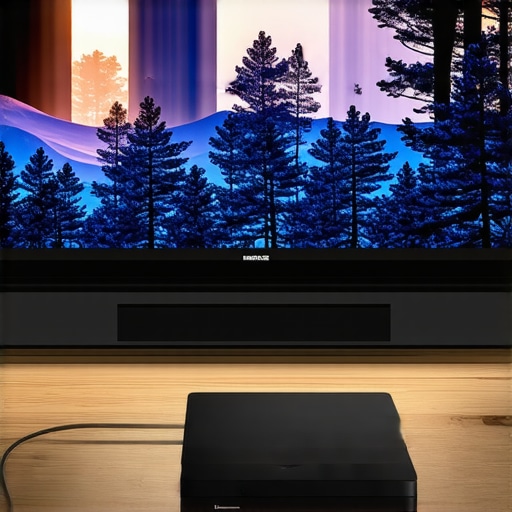
Best HDMI 2.1 & Surge Protectors for 2024 Home Theater Setup
I remember the exact moment I realized I was in deep trouble with my home theater system. It was late at night, my favorite sci-fi epic just starting, and suddenly the picture flickered—then went dark. My heart sank. Turns out, I’d overlooked something crucial: the importance of quality HDMI cables and proper surge protection. That misstep cost me hours of troubleshooting, and it could’ve easily fried my expensive equipment. If you’ve ever experienced a power surge or a fuzzy picture, you know exactly what I’m talking about. But here’s the thing: with a few smart choices, you can avoid that nightmare scenario altogether.
Why Protecting Your Home Theater Equipment Matters More Than Ever
In 2024, our home entertainment setups are more advanced and delicate than ever. We’re talking 4K, HDR, Dolby Atmos—every feature demanding higher bandwidth and better shielding. But all these upgrades come with a new set of risks. Power fluctuations, surges, and subpar cables can turn your dream setup into a tech nightmare overnight. It’s not just about saving money; it’s about safeguarding your investment and enjoying flawless picture and sound. According to a recent report from the Electrical Safety Foundation International, power surges are responsible for over $1.3 billion in damages annually. That’s a staggering figure, and it underscores the need to take precautionary steps.
So, what’s the fix? Well, that’s exactly what we’ll explore today. I’ll guide you through the best HDMI 2.1 cables and surge protectors for 2024, sharing tips from my personal experience and trusted reviews. If you’ve ever wondered whether those fancy cables are worth the hype or if surge protectors are just a gimmick, you’re not alone. And yes, I’ve made my share of mistakes—like thinking all surge protectors are created equal. Spoiler: they’re not. To truly get the most out of your home theater, you need the right gear and a little know-how. Ready to upgrade your setup and finally put those worries to rest? Let’s dive in.
Is HDMI 2.1 & Surge Protectors Worth the Hype
Before we get into the nitty-gritty, I want to address a common skepticism: are these upgrades really necessary? Honestly, I used to think fancy cables and surge protectors were just marketing hype. But after a few close calls with power surges and blurry images, I learned the hard way. A quality HDMI 2.1 cable can deliver uncompressed 4K and even 8K signals effortlessly, making your movies look stunning. Meanwhile, a good surge protector can save your entire setup from lightning strikes or power spikes. If you’re still on the fence, I recommend checking out the detailed reviews and comparisons available at this guide. Trust me, these small investments can prevent costly repairs and frustration down the line.
Now, let’s look at how to choose the best gear for your home theater in 2024. From understanding the differences in HDMI cables to selecting the right surge protection, I’ll cover it all. But first, ask yourself: have you ever lost a picture or heard a pop in your speakers at just the wrong moment? If so, it’s time for an upgrade. Keep reading, because what I share next might just save your setup from disaster—and make your viewing experience smoother than ever.
,
Choose Your Cables Carefully
Start by selecting high-quality HDMI 2.1 cables. Think of these cables as the arteries of your home theater—if they’re clogged or underperforming, your entire system suffers. I once bought a cheap HDMI cable, thinking it wouldn’t matter. During setup, I noticed flickering and laggy images. After replacing it with a certified HDMI 2.1 cable from a reputable brand, the difference was night and day. For the best results, check out the top HDMI 2.1 cables for 2024 list. Look for cables that support 48Gbps bandwidth, 8K resolution, and HDR. Remember, a well-made cable ensures your 4K or 8K content looks sharp and vibrant without hiccups.
Invest in the Right Surge Protector
Next, safeguard your investment with a top-tier surge protector. Think of this device as a shield that absorbs lightning strikes and power surges, preventing them from frying your equipment. I once experienced a thunderstorm, and my old, cheap surge protector failed. My AV receiver and projector both needed repairs afterward. After that, I upgraded to a premium surge protector with Joule ratings over 3000 and multiple outlets with filtering. When choosing, look for models with a high Joule rating, diagnostic lights, and EMI/RFI noise filtering. Connect your surge protector directly to a grounded outlet, not a power strip, for maximum safety. This step is critical because power surges happen more often than you think—especially in storm-prone areas.
Properly Connect and Organize Your Cables
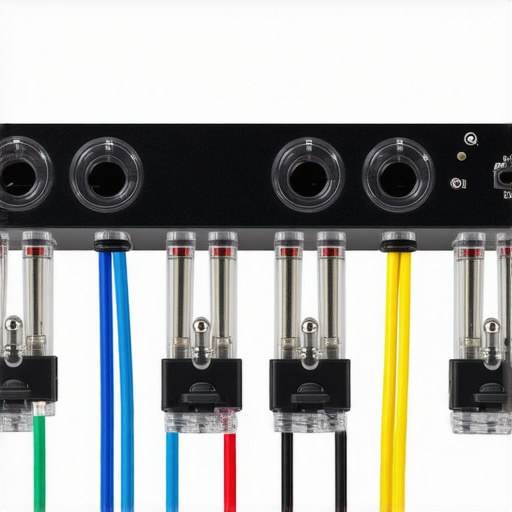
Now that you’ve selected the best cables and surge protection, it’s time to install them properly. Use banana plugs and cable organizers to keep everything tidy and avoid accidental disconnections. When plugging in your HDMI cables, make sure they click securely into place; loose connections can cause signal degradation or flickering. For audio, high-quality speaker wires with banana plugs can improve clarity. Check out the best banana plugs for 2024 to upgrade your speaker setup. Keep your cables off the floor and away from sources of heat or moisture. Label each cable to simplify troubleshooting later. Proper organization reduces the risk of accidental damage and makes future upgrades smoother.
Test Your Setup Before Full Use
Before settling into movie night, test everything thoroughly. Power on your system, and check for flickering screens or audio issues. Use a 4K test video to verify your HDMI connections. If you notice issues, recheck your cable connections, replace faulty cables, or adjust your surge protector settings. This step saved me from a major headache when my projector flickered during a critical scene. Take the time to verify that your surge protector is functioning properly—many models have test buttons or diagnostic lights. Confirm that your system is stable and protected, so you can enjoy your content without worry.
Keep Up With Maintenance and Updates
Finally, regularly inspect your cables and surge protectors. Replace any worn or damaged cables immediately. Consider upgrading your surge protector every 3-5 years or after a significant power event. Also, keep your firmware and device settings up to date for optimal performance. Staying proactive prevents future failures and extends the lifespan of your home theater equipment. Remember, investing a little time now saves money and frustration down the line, ensuring your setup remains safe and stunning for years to come.
Many home theater enthusiasts fall into simple traps or cling to myths that can jeopardize their setup. Let’s dig deeper into some misconceptions that often trip people up, especially when it comes to surge protectors and high-quality cables. One prevalent myth is that all surge protectors are equally effective. In reality, the Joule rating and clamping voltage make a huge difference in how well they defend your gear. Choosing a cheap surge protector with a low Joule rating might give a false sense of security, but during a lightning strike or power surge, it could fail when you need it most. For expert guidance, check out the top surge protectors designed for high performance.
Another common misconception is that expensive cables always mean better performance. While quality matters, many consumers overlook the importance of proper shielding and bandwidth support. For instance, an HDMI 2.1 cable supporting 48Gbps bandwidth is essential for 8K content, but if it’s poorly shielded, it can still introduce interference. People often buy the most hyped brands, but in my experience, verifying the specifications and reviews is more reliable. Remember, a well-made cable with the right specs can make a visible difference—so don’t just chase brand names. For a detailed look, see the best HDMI cables for 2024.
Many think that plugging everything into a power strip is safe enough. However, this is a dangerous oversimplification. Power strips often lack the surge protection and filtering needed for sensitive equipment. Connecting a high-quality power conditioner or surge protector directly to a grounded outlet reduces the risk of damage during surges. Also, overloading power strips can cause their protective components to fail prematurely. Remember, the goal is to create a safe, stable power environment, not just to add more outlets. For more insights, see the power conditioner tips for 2024.
How can advanced users make sure their setup is truly protected?
Great question! Beyond just buying top-rated gear, it’s vital to periodically test your surge protectors with built-in diagnostic lights or test buttons. Additionally, consider employing a power conditioner with noise filtering and grounding checks. Upgrading your equipment every few years and inspecting cables for wear ensures your system remains resilient. Remember, even the best gear can fail if not maintained properly. If you’re serious about safeguarding your investment, consult an expert or use professional-grade surge protectors with high Joule ratings and multiple filtering stages. Have you ever fallen into this trap? Let me know in the comments.
How do I maintain my home theater setup over time
Maintaining your home theater isn’t a one-and-done task; it’s an ongoing process that ensures your system performs at its best for years to come. I rely heavily on a combination of professional-grade tools and routine checks to keep everything running smoothly. One of my favorite tools is the digital multimeter. I use it regularly to verify the integrity of my HDMI cables and power connections, ensuring that no subtle issues slip through that could cause flickering or signal loss. For instance, measuring the continuity and voltage levels helps me catch potential problems before they escalate. Additionally, I keep a detailed log of cable ages, surge protector performance, and device firmware updates to track wear and performance over time.
Another essential tool I swear by is a power conditioner with diagnostic features. These devices help filter out electrical noise, stabilize power delivery, and often include diagnostic lights that alert me to any irregularities. I check these lights monthly to confirm everything functions correctly. When it comes to cables, I make sure to replace any that show signs of wear—such as frayed insulation or loose connectors. Regularly swapping out older cables prevents signal degradation and maintains a high-quality picture and sound experience.
Beyond hardware, software updates are crucial. I subscribe to firmware alerts from my AV receiver and streaming device manufacturers and schedule quarterly updates. These patches often include security fixes, bug patches, and performance improvements, which are essential for long-term reliability. To streamline updates, I use a dedicated USB drive with the latest firmware files, downloaded from official sources, to perform quick and safe upgrades without internet interruptions.
In the future, I predict that home theater maintenance will become more automated. Smart diagnostic tools integrated into devices will alert users of impending failures or performance drops via smartphone apps. This proactive approach will prevent major issues and extend equipment lifespan even further. As technology advances, I recommend that enthusiasts embrace these innovations for hassle-free maintenance.
Try this advanced tip for better system longevity
One tip I highly recommend is installing a high-quality surge protector with energy monitoring. Not only does it shield your gear from power spikes, but it also provides real-time data on power consumption, helping you identify inefficiencies or issues before they cause damage. This proactive monitoring can save you money on repairs and energy bills while preserving your setup’s integrity. Give it a try, and you’ll notice how peace of mind elevates your entire home theater experience.
What I Wish I Knew About Protecting My Setup
- One of my biggest lightbulb moments was realizing that not all surge protectors are built equal. The cheaper models often fail during a storm, leaving my expensive equipment vulnerable. Investing in a high Joule rating protector was a game-changer for peace of mind.
- I used to believe that HDMI cables are all the same, but the difference in shielding and bandwidth support can severely impact picture quality. Switching to certified HDMI 2.1 cables with proper specs improved my 4K experience dramatically.
- Organizing cables properly isn’t just neatness—it’s safety. I learned that loose or tangled cables can cause signal issues or even damage connectors over time. Proper cable management with banana plugs and organizers is essential.
- Regular maintenance, including testing surge protectors with diagnostic tools, prevents surprises. I now schedule quarterly checks to ensure everything functions smoothly, avoiding costly repairs later.
- Upgrading your power environment with a quality power conditioner adds an extra layer of protection and filters out electrical noise, which can harm sensitive gear over time.
My Essential Arsenal for a Safe, Stunning Home Theater
- For reliable surge protection, I trust the best surge protectors for 2024. They offer high Joule ratings and multiple outlets with filtering, safeguarding against lightning and power spikes.
- The top HDMI 2.1 cables have transformed my video quality, supporting 48Gbps bandwidth and 8K resolution, ensuring my movies are crisp and vibrant.
- High-quality banana plugs and cable organizers from trusted sources keep everything tidy and secure, reducing wear and tear on my gear.
- A digital multimeter from this recommended list helps me verify cable integrity and power stability regularly, catching issues early.
Take Action Today for a Safer, Better Home Theater Experience
Don’t wait for a power surge or signal flicker to remind you of the importance of proper protection. Upgrading your cables, surge protectors, and maintenance routine can save you headaches and money in the long run. Embrace these tips, and turn your home theater into a safe haven for your entertainment investments. How have you protected your setup so far? Share your tips below and let’s build a safer, better viewing space together!
About the Author

![Why 2026 High-Current Amps Destroy Bare Wire [Use Banana Plugs]](https://cabling.homeavreviewhub.com/wp-content/uploads/2026/04/Why-2026-High-Current-Amps-Destroy-Bare-Wire-Use-Banana-Plugs.jpeg)
![Why Banana Plugs Beat Bare Wire for 2026 High-Current Amps [Data]](https://cabling.homeavreviewhub.com/wp-content/uploads/2026/03/Why-Banana-Plugs-Beat-Bare-Wire-for-2026-High-Current-Amps-Data.jpeg)