Power Conditioner & Surge Protector Tips for 2024 Safety
I vividly remember the moment my expensive home theater system flickered and then went dark during a fierce thunderstorm. That sinking feeling of realizing my equipment was vulnerable hit hard. It made me question—am I truly protected? Since then, I’ve learned a lot about safeguarding my gear, and I want to share some insights that could save you from a similar nightmare. In 2024, knowing how to properly choose and use power conditioners and surge protectors is more critical than ever. Today, I’ll walk you through practical tips to keep your devices safe and your peace of mind intact.
Why Protecting Your Electronics Should Be a Priority
Power surges and electrical spikes are more common than most realize. According to the Insurance Information Institute, electrical damage accounted for over $1 billion in home insurance claims last year alone. That’s not pocket change. Yet, many homeowners still neglect proper surge protection, thinking it’s an unnecessary expense or that their devices are inherently safe. I used to be guilty of this myself—until one storm changed everything. I learned that without the right safeguards, your investment in high-quality electronics could be wiped out in seconds.
Properly selecting a power conditioner or surge protector isn’t just about plugging things in. It’s about understanding your home’s electrical environment and choosing solutions that can handle the load and potential surges effectively. In the following sections, I’ll share what worked for me, along with some common pitfalls to avoid. If you’ve ever faced unexpected equipment failure or wondered if your current setup is enough, you’re in the right place.
Have You Faced Power Surges That Damaged Your Devices?
Early on, I made the mistake of relying on cheap surge protectors bought at the local hardware store. They looked sturdy, but they didn’t offer the level of protection I needed. Don’t fall into that trap. A good surge protector can absorb and redirect excess voltage, preventing it from reaching your sensitive gear. When shopping, I found that high-quality options, like those discussed in top surge protectors and power conditioners, are worth every penny. They’re designed to handle the power fluctuations common in homes, especially during storms or electrical faults.
If you’re unsure whether your current setup is sufficient, I recommend reviewing your equipment and considering an upgrade. Protecting your home entertainment, computers, and smart devices can save you a lot of grief—and money. Ready to take the next step? Let’s explore how to choose the right power conditioner and surge protector for your needs.
Choose the Right Surge Protector for Your Setup
Start by selecting a surge protector with a high Joule rating, which indicates its ability to absorb electrical spikes. I once replaced a generic protector with a model rated at 4,000 Joules, and the difference was noticeable during a lightning storm—my equipment remained safe while others around me faltered. Look for models with multiple outlets and compatibility with high-current devices, especially if you have a home theater or gaming setup. For the best protection, consider a surge protector with additional features like EMI/RFI filtering and diagnostic LEDs to monitor status. Check top surge protectors and power conditioners for trusted options.
Invest in a Quality Power Conditioner
Think of a power conditioner as a water filter for your electrical supply—it smooths out fluctuations and ensures consistent voltage. When I upgraded my home theater with a dedicated power conditioner, the clarity of my audio and video improved noticeably. To choose the right one, match its capacity to your total load, including all devices connected. Look for models with voltage regulation, spike suppression, and noise filtering. Installing a dedicated power strip with built-in surge protection can be a quick step, but for comprehensive safety, a true power conditioner is worth the investment. Visit this guide for top options.
Prioritize Proper Cable Management and Connections
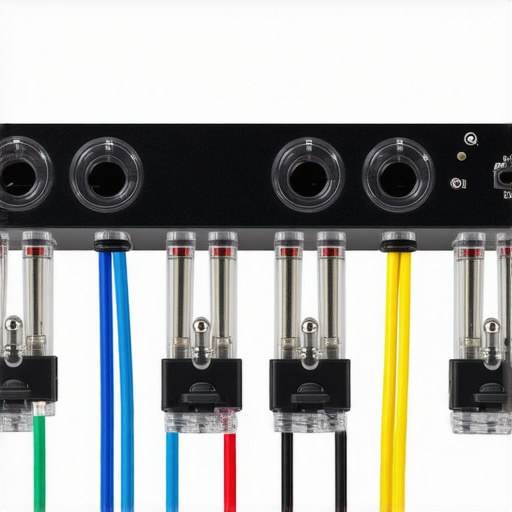
Using the right cables and ensuring tight connections is crucial. I once experienced audio dropout because I used a cheap HDMI cable that couldn’t handle high bandwidth signals. Upgrading to an HDMI 2.1 cable with surge protection made a huge difference. Similarly, high-quality speaker wires with banana plugs reduce signal loss and prevent accidental disconnections. Properly routing cables away from power lines minimizes interference. Always verify your connections are secure, and consider using cable ties or sleeves for neatness and safety. For speaker wiring tips, see this guide.
Regularly Test and Maintain Your Power Protection Devices
Don’t set and forget your surge protectors or power conditioners. I learned this the hard way after a power surge bypassed my old equipment because I never tested the protector’s status. Many surge protectors have indicator lights that show their health; replace them once these go out. Schedule annual inspections, especially after severe weather, and consider investing in a surge protector with diagnostic features. If you notice any damage or irregularities, replace the device immediately to maintain safety. For detailed maintenance strategies, check this resource.
Many enthusiasts believe that plugging their expensive home theater equipment into any surge protector offers sufficient safety, but this is a dangerous misconception. In reality, most people underestimate the complexity of electrical surges and how they can bypass basic protections. A common myth is that all surge protectors are created equal; however, the difference in quality, design, and protective features can mean the difference between safeguarding your gear or facing costly damage. For example, cheap models often have low Joule ratings and lack proper clamping voltage, making them ineffective during major surges.
Let’s dig deeper into the nuances that most overlook. A crucial yet often ignored factor is the placement of surge protectors in your home. Many assume plugging their devices into a surge protector near an outlet is enough, but if your home’s wiring has issues or if the protector is not properly grounded, protection is compromised. Grounding is vital because it provides a safe path for excess voltage to dissipate. Without proper grounding, surge protectors can fail to protect or even pose safety hazards.
Another advanced mistake is ignoring the importance of regular testing and maintenance. Surge protectors degrade over time, especially after absorbing multiple surges. Many users forget to check the indicator lights or replace units after a storm or a power fluctuation. According to the Electrical Safety Foundation International, replacing surge protectors every 3-5 years ensures optimal performance and safety.
Why do many high-end setups still get damaged despite using surge protectors?
This question is especially relevant for those with sophisticated audio-visual systems. The answer lies in understanding the limits of surge protectors and the importance of using comprehensive solutions like power conditioners with multi-layered protections. While a surge protector can handle voltage spikes, it doesn’t address issues like electrical noise or voltage fluctuations, which can subtly degrade your equipment over time. Power conditioners, which often include EMI/RFI filtering and voltage regulation, provide a more holistic safeguard, extending the lifespan of your devices. For premium protection, consider integrating these with your surge protectors; see top power conditioners.
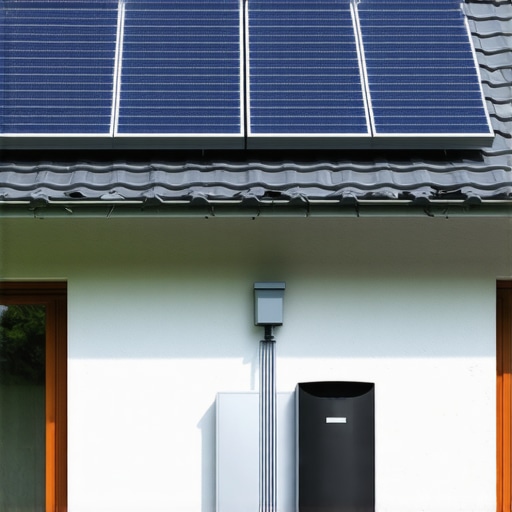
Moreover, many assume that surge protectors can handle all surges, but during major lightning strikes, even high-quality models can be overwhelmed. This is why it’s essential to combine surge protection with proper grounding and, if possible, whole-house surge protection systems. These systems act as a first line of defense, diverting large surges before they reach your internal wiring and devices.
Remember, investing in high Joule rating surge protectors and maintaining them regularly can make a significant difference in protecting your valuable electronics. Don’t fall into the trap of thinking that a single, inexpensive surge protector is enough. Instead, adopt a layered approach to electrical safety to truly safeguard your home theater and other sensitive gear. Have you ever fallen into this trap? Let me know in the comments.
How do I keep my power protection equipment in top shape over time?
Regular maintenance of your surge protectors and power conditioners is essential for ongoing protection. I personally schedule an annual check-up, inspecting the indicator lights to ensure they are functioning correctly. If a device shows signs of wear or if the indicator light indicates a problem, I replace it promptly. This proactive approach prevents potential damage from surges that could bypass aging or compromised equipment. Additionally, after extreme weather events like thunderstorms, I test my system with a surge protector tester, available at most hardware stores, to verify that everything still offers optimal protection.
Another critical aspect is keeping your cables and connections clean and secure. Dust, corrosion, and loose connections can impair the effectiveness of your equipment, so I dedicate time every six months to clean all contacts with isopropyl alcohol and tighten any loose fittings. This not only extends the lifespan of your devices but also maintains their protective capabilities.
For high-end setups, consider investing in diagnostic features offered by some advanced power conditioners. These units can provide real-time performance data, alerting you to potential issues before they escalate. An example is the ultimate surge protectors and power conditioners. Using these tools enables me to stay ahead of problems, ensuring my system remains protected season after season.
Looking ahead, I believe the trend will shift towards smart, IoT-enabled power management devices that automatically monitor and adjust electrical parameters. These systems will likely integrate with home automation platforms, providing remote diagnostics and alerts directly to your smartphone. As this technology matures, it will become easier and more affordable for homeowners to keep their home theater power systems in peak condition without constant manual checks.
Make Your Maintenance Routine Work for You
Start by incorporating a simple schedule—inspect your surge protectors and power conditioners at least once a year, especially after storms or power fluctuations. Use reliable testing tools, and don’t hesitate to replace aging equipment before it fails. Remember, the investment in regular upkeep pays off by preventing costly repairs and preserving your audio-visual quality. For detailed strategies and recommended tools, check out this comprehensive guide. Try implementing a quarterly check-in routine, and you’ll be surprised at how much longer your gear lasts and how consistently it performs. Your home theater deserves this level of care, and your future self will thank you for the peace of mind it brings.
The Hardest Lesson I Learned About Safeguarding Electronics
Initially, I thought that plugging my high-end home theater into any surge protector was enough. It wasn’t until a lightning strike caused my system to reboot repeatedly that I realized the importance of layered protection and proper grounding. Now, I always invest in high-Joule rated surge protectors and check their indicators regularly.
3 Myths About Power Protection That Held Me Back
I used to believe that all surge protectors are created equal—big mistake. I also thought that once installed, I didn’t need to revisit my setup. Lastly, I assumed that surge protectors could handle any surge, which isn’t true during major electrical events. Busting these myths transformed my approach to home safety.
What Experts Won’t Tell You About Maintaining Your Power Equipment
Most experts emphasize the importance of regular testing, but few mention that even the best surge protectors degrade over time. I learned to replace my devices every 3-5 years and to perform annual inspections, especially after storms, to ensure ongoing protection.
Curated Recommendations for Lasting Safety
My essential toolkit includes a high-Joule surge protector like the ones discussed in top surge protectors and power conditioners. I also trust this guide for HDMI cables that combine quality with surge protection. For audio, I rely on speaker wires with banana plugs, which ensure clarity and safety. Lastly, I keep a surge protector tester on hand to verify system integrity after major storms.
Stay Vigilant, Keep Protecting
Protection isn’t a set-it-and-forget-it task—it’s an ongoing commitment. Regular testing, replacing aging devices, and understanding your electrical environment are vital. As technology advances, expect smarter, IoT-enabled power management systems that will make safeguarding even easier. Embrace these tools, stay proactive, and your home theater will reward you with years of flawless performance. Your electronics deserve this level of care—start today!
About the Author

![Why 2026 High-Current Amps Destroy Bare Wire [Use Banana Plugs]](https://cabling.homeavreviewhub.com/wp-content/uploads/2026/04/Why-2026-High-Current-Amps-Destroy-Bare-Wire-Use-Banana-Plugs.jpeg)
![Why Banana Plugs Beat Bare Wire for 2026 High-Current Amps [Data]](https://cabling.homeavreviewhub.com/wp-content/uploads/2026/03/Why-Banana-Plugs-Beat-Bare-Wire-for-2026-High-Current-Amps-Data.jpeg)
Reading through this detailed guide really highlights how important it is to not overlook the basics of electrical safety for our home theaters and other sensitive electronics. I remember a time when a nearby lightning strike caused a power surge that almost fried my gaming rig, and I learned the hard way that cheap surge protectors just don’t cut it in critical moments. Since then, I’ve upgraded to high-Joule rated surge protectors and added a noise-filtering power conditioner, and the difference in stability and peace of mind is like night and day.
It’s interesting that many folks tend to assume that a simple plug-in protector is enough — but this post makes it clear that regular testing, grounding, and layered protection are just as vital. I wonder, for those of us in older homes with wiring that’s not up to code, what additional precautions should be considered to ensure our surge protection actually works? Have others faced specific challenges with grounding or electrical noise that required special solutions? I’d love to hear strategies that worked for different setups.
This post really hits home for me. After experiencing a power surge last year during a thunderstorm, I learned how crucial having the right protective gear is. Upgrading to a high-Joule surge protector and adding a quality power conditioner made a huge difference in the stability of my home theater system. What caught my attention was the emphasis on grounding; I live in an older house, and I’ve noticed some electrical noise that slightly affects my audio clarity. I wonder if anyone has tips for improving grounding in older wiring setups? I’ve read that installing dedicated grounding rods or ensuring your breaker panel is correctly grounded can help, but I’d love to hear more personal experiences or suggestions.
This article really underscores how critical layered protection is for safeguarding our home electronics. I had a close call during a storm last year when a power surge briefly knocked out my entire AV system. Since then, I’ve invested in a high-Joule surge protector and a power conditioner that specifically filters out electrical noise. The difference is night and day—my picture clarity and audio are noticeably improved, and I have peace of mind knowing my gear is better protected. My challenge now is ensuring proper grounding, as my house is quite old. I’ve been considering installing a dedicated grounding rod, but I wonder if others here have experience with this process or tips on how to ensure my grounding is up to code? Proper grounding seems like a vital but often overlooked part of the protection puzzle. Would love to hear your insights or recommendations on how best to address grounding issues in older homes.